


What Should You Do If Your Baby Has “Excessive Heat”?

Many new mothers worry greatly when their babies are born, fearing that their infants will fall ill repeatedly. This concern arises because newborns’ immune systems are still immature and underdeveloped, leaving them highly susceptible to illness. For instance, “internal heat” (a traditional Chinese medicine concept referring to symptoms such as irritability, constipation, dry mouth, or red tongue) is quite common in infants—not only adults but babies, too, can experience “heatiness.” So, what should parents do when their baby exhibits signs of internal heat?
How to Address Internal Heat in Infants
Breast milk is the optimal choice for managing infant “heatiness.” Ideally, newborns should be exclusively breastfed, with mothers ensuring an adequate milk supply. Breast milk is the ideal nourishment for infants, rich in high concentrations of oligosaccharides—particularly galacto-oligosaccharides (GOS), followed by fructo-oligosaccharides (FOS). These short-chain sugars reside in the infant’s intestines, rapidly promoting the growth of beneficial gut bacteria and helping prevent “heatiness.” Additionally, select gentle, heat-clearing complementary foods to regulate internal heat. Since infants’ gastrointestinal systems struggle to digest excess nutrients, internal heat is relatively common. Opt for natural, plant-based heat-clearing products formulated with scientifically balanced ingredients to achieve a threefold effect: clearing heat, moistening the body, and promoting smooth digestion.
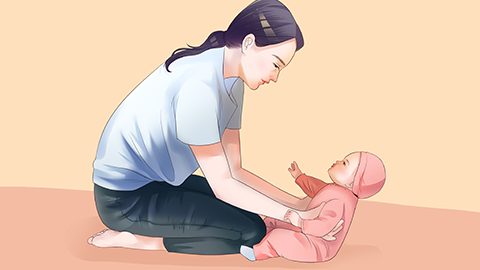
To alleviate internal heat, adjust the baby’s dietary habits and ensure appropriate physical activity, timely clothing adjustments according to temperature, and maintenance of humid, well-ventilated air. Although infants’ digestive systems are still developing, they require relatively high nutritional support. If breast milk supply is insufficient, supplement with a mild, low-concentration formula. Once the baby begins eating solid foods, increase intake of vegetables and fruits that aid digestion (e.g., papaya, pear), and encourage frequent consumption of warm water. Ensure the baby gets sufficient, restful sleep.

To better prevent internal heat in infants, offer small, frequent servings of plain boiled water throughout the day to maintain proper hydration. We hope this information proves helpful!


