


Does eating hawthorn cause “internal heat”?

Hawthorn is a very common food in daily life—candied hawthorn skewers (táng hú lu), widely sold on the market, are made entirely from hawthorn. Many people enjoy eating hawthorn. So, does consuming hawthorn cause “internal heat” (a traditional Chinese medicine concept referring to inflammatory or hyperactive conditions)?
Does Eating Hawthorn Cause “Internal Heat”?
Consuming hawthorn does not typically induce symptoms of “internal heat.” Hawthorn possesses multiple therapeutic properties, including promoting digestion and strengthening the stomach, invigorating blood circulation and resolving blood stasis, and astringing the intestines to stop diarrhea. When applied externally, hawthorn can help clear “excess heat,” especially inflammation caused by excessive pathogenic heat within the body—particularly gastrointestinal inflammation—which it can effectively alleviate. Moreover, hawthorn helps reduce body fat and regulates vascular health by clearing metabolic “waste” such as triglycerides and cholesterol, thereby effectively preventing atherosclerosis—making it highly beneficial for overall health.
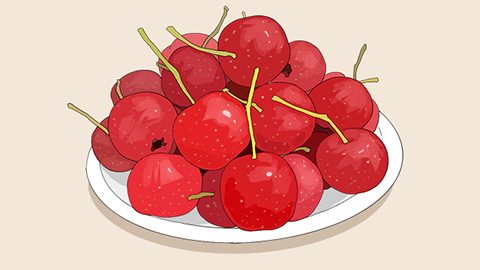
Hawthorn enhances digestive function, especially in cases of indigestion caused by excessive meat consumption. Moderate intake stimulates the secretion of gastric digestive enzymes, thus facilitating food digestion. Hawthorn also helps prevent cardiovascular and cerebrovascular diseases—including hypertension—by dilating blood vessels, particularly increasing coronary artery blood flow, thereby contributing to blood pressure reduction. Furthermore, hawthorn exhibits marked inhibitory effects against numerous pathogenic bacteria—including Shigella species—thereby helping prevent certain infectious diseases.

It is recommended to consume hawthorn either raw or prepared as a soup. Individuals with gastric disorders, however, should limit their intake. We hope this information proves helpful to you.


