


Can people with diabetes drink Beiliyou goat milk powder?

Liyou Goat Milk Powder is a commonly available goat milk formula known for its high nutritional value. Since individuals with diabetes have distinct dietary requirements compared to the general population, many wonder: “Can people with diabetes consume Beiliyou Goat Milk Powder?”
Can People with Diabetes Consume Beiliyou Goat Milk Powder?
Yes, people with diabetes may consume goat milk powder. Moderate consumption does not adversely affect individuals with diabetes nor cause significant blood glucose elevation. Moreover, milk powder is nutritionally rich—particularly in high-quality proteins that supply essential amino acids required by the human body. It also contains abundant trace elements, which can moderately enhance immune function. Therefore, moderate intake of goat milk powder can be beneficial for individuals with diabetes. Patients should ensure adequate intake of high-quality protein, control total caloric intake, avoid high-sugar foods, limit high-fat foods, and increase consumption of green vegetables and whole grains rich in dietary fiber.

In the early clinical stage of diabetes, characteristic symptoms primarily include polyuria (excessive urination), polydipsia (excessive thirst), polyphagia (excessive hunger), and unexplained weight loss—symptoms directly linked to disordered carbohydrate metabolism. When blood glucose levels rise, excess glucose is excreted via the kidneys into the urine. As a result, less glucose remains available for cellular energy production. To sustain normal metabolic processes and physiological functions, the body begins mobilizing fat stores—leading to the classic triad of symptoms: polyuria, polydipsia, polyphagia, and weight loss. Elevated blood glucose—whether indicative of prediabetes or newly diagnosed diabetes—necessitates prompt dietary adjustments: avoiding rich, fatty meals (e.g., excessive meat consumption), eliminating greasy foods, limiting each meal to approximately 7–8 minutes’ duration, and maintaining regular physical exercise.
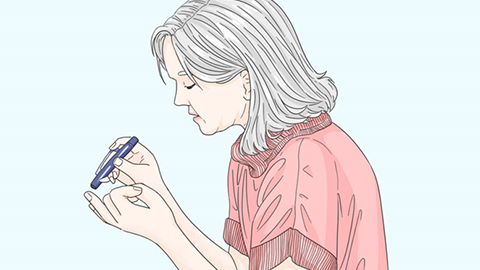
Individuals with diabetes should carefully monitor their daily diet and strictly avoid sugary desserts and other high-sugar foods, as excessive sugar intake poses serious health risks—including potential vision loss and blindness. We hope this information proves helpful to you!


