


Which herbal ingredients, when steeped in alcohol for consumption, can treat diabetes?

Under normal circumstances, traditional Chinese medicinal herbs such as ginseng, Acanthopanax bark, Astragalus root, goji berries, and kudzu root may serve as adjunctive therapies for diabetes mellitus. The analysis is as follows:
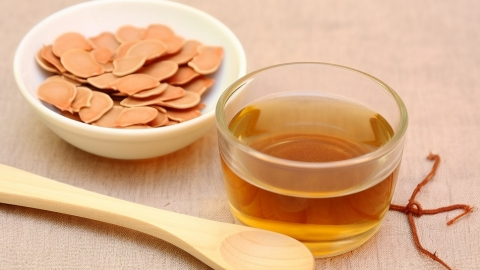
1. Ginseng: Ginseng exhibits multiple pharmacological effects, including hypoglycemic activity. However, preparing ginseng in alcoholic tincture is not a standard treatment for diabetes, and alcohol consumption may adversely affect individuals with diabetes.
2. Acanthopanax bark: In traditional medicine, Acanthopanax bark is believed to invigorate Qi, strengthen the spleen, tonify the kidneys, and calm the mind—potentially offering adjunctive benefits for diabetes. However, its efficacy and safety when prepared as an alcoholic tincture require further scientific validation.
3. Astragalus root: Astragalus root functions to reinforce Qi, consolidate the exterior, promote wound healing, and stimulate tissue regeneration. It may help improve immune dysfunction and susceptibility to infections commonly observed in diabetic patients. Nevertheless, Astragalus root does not directly lower blood glucose levels, and the efficacy and safety of its alcoholic tincture warrant cautious evaluation.
4. Goji berries: Goji berries nourish the liver and kidneys, enrich essence, and improve vision; they are also believed to possess mild hypoglycemic properties. Preparing goji berries in alcoholic tincture may confer some benefits to diabetic patients, but the potential adverse effects of alcohol must be carefully considered.
5. Kudzu root: Kudzu root helps release muscle tension, reduce fever, generate fluids, and alleviate thirst. It may thus provide symptomatic relief for fever and excessive thirst associated with diabetes. While kudzu root tincture may offer some supportive benefit for symptom management, it cannot replace standard medical therapy.
The aforementioned herbs, when prepared as alcoholic tinctures, do not constitute direct or primary treatment for diabetes. Effective diabetes management requires a comprehensive, multimodal approach—including lifestyle modifications, dietary control, regular physical activity, and, when necessary, pharmacotherapy prescribed by a healthcare professional (e.g., metformin hydrochloride tablets, repaglinide tablets, or glipizide tablets).


