


Can pregnant women with high blood sugar eat pig’s trotters?

Pork trotters are rich in collagen, which is readily absorbed by the human body. Since pregnant women require additional nutrition, the question arises: Can pregnant women with high blood glucose consume pork trotters?
Can pregnant women with high blood glucose eat pork trotters?
Pregnant women with well-controlled blood glucose levels may consume pork trotters in moderation. This is primarily because pork trotters contain abundant collagen that is easily absorbed, helping promote cellular hydration and enhance metabolic function. Moderate consumption of pork trotters during pregnancy may also confer cosmetic and skin-nourishing benefits. The glycine present in collagen can effectively alleviate symptoms such as anxiety, insomnia, and neurasthenia. However, certain precautions must be observed: intake should be moderate; consumption before bedtime should be avoided; and pork trotters are not recommended for pregnant women with hyperlipidemia.
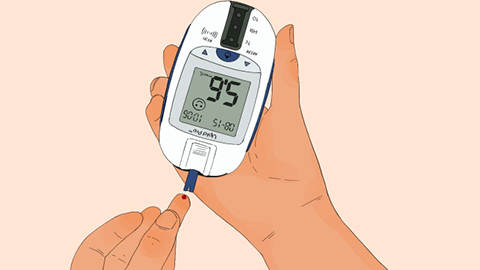
Pregnant women with elevated blood glucose may consume a variety of foods, provided portion sizes are carefully controlled. Animal-based foods—including pork, beef, chicken, duck, fish, and shellfish—as well as soy products such as tofu, “qiancengpian” (layered soybean curd), and “sujī” (soy-based mock chicken)—contain minimal sugar and are generally safe to consume. Dairy products, including milk, have very low sugar content; consuming approximately 200 mL between meals typically has negligible impact on blood glucose levels. Pregnant women with high blood glucose should limit their intake of staple carbohydrates and fruits, as well as added sugars such as sucrose and honey.

In daily life, it is advisable to adopt a pattern of eating smaller, more frequent meals and to avoid overeating or binge eating. If blood glucose levels remain persistently elevated, insulin therapy may be necessary to achieve adequate glycemic control. We hope this information proves helpful to you.


