


Can people with high blood sugar eat peaches?
May 09, 2022
Source: Cainiu Health

Dr. Pan Yongyuan
Introduction
Peaches contain a relatively high amount of sugar. Individuals with elevated blood glucose levels may consume peaches, but should avoid eating large quantities at once, as excessive intake may cause blood glucose to rise. To lower elevated blood glucose, dietary and exercise modifications—or oral hypoglycemic medications—may be required. Dietary adjustment is the first-line approach for managing hyperglycemia; individuals should tailor their meal plans according to their specific needs and limit consumption of highly spicy foods.
Peaches offer benefits such as nourishing the heart, promoting body fluid production, and relieving thirst. They contain relatively high amounts of organic acids and dietary fiber, which help stimulate gastrointestinal motility and accelerate metabolism—thereby aiding digestion. So, can individuals with elevated blood glucose consume peaches?
Can individuals with elevated blood glucose eat peaches?
Peaches contain a relatively high amount of natural sugars. While people with elevated blood glucose may consume peaches, they should avoid eating large quantities at once, as excessive intake may cause blood glucose levels to rise.
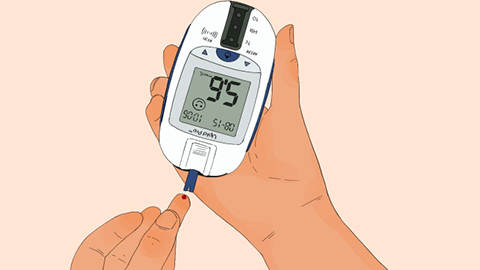
Lowering elevated blood glucose typically requires comprehensive lifestyle modifications—including dietary adjustments, regular physical activity, and, if necessary, oral hypoglycemic medications. Dietary management is the first-line approach for individuals with hyperglycemia: personalized meal planning is essential. Spicy foods should be limited, and all high-sugar foods must be strictly avoided. A low-salt, low-sugar, low-fat diet is recommended. In daily meals, prioritize low-glycemic-index (low-GI), low-sugar foods. Refined sugars—including white sugar, brown sugar, and honey—must be completely eliminated.
Physical activity also plays a vital role in glycemic control. Beyond dietary changes, incorporating regular exercise is crucial. Simple activities such as daily walking are beneficial. More importantly, aim for at least 30 minutes per day of moderate-intensity aerobic exercise—such as brisk walking, jogging, swimming, hiking, or skipping rope—to effectively improve blood glucose regulation.

If blood glucose remains uncontrolled despite lifestyle interventions, pharmacologic therapy may be required. We hope this article has been helpful to you!


