


Can people with high blood sugar eat macadamia nuts?

Macadamia nuts contain high-quality protein, macadamia nut oil, over ten types of amino acids, polysaccharides, various vitamins, and abundant unsaturated fatty acids. The oil in macadamia nuts can enhance mineral absorption. So, can individuals with elevated blood glucose consume macadamia nuts?
Can individuals with elevated blood glucose consume macadamia nuts?
Macadamia nuts contain relatively high levels of carbohydrates and starch, which may lead to increased glucose utilization. Starch is broken down into glucose during digestion, potentially raising blood glucose levels. Nevertheless, people with elevated blood glucose may still consume macadamia nuts in moderation.
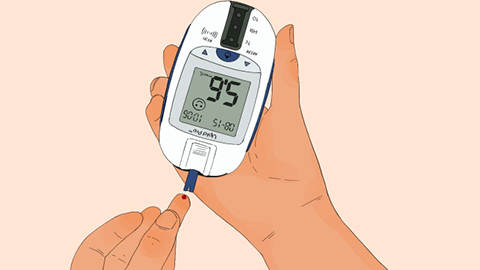
In the early stages of diabetes, most patients—especially those with type 2 diabetes—exhibit no noticeable symptoms. Often, the condition remains asymptomatic for one year or even several years. Some patients first seek medical attention due to complications of diabetes, only then receiving a diagnosis. Internationally, it has long been reported that in such cases, the actual duration of diabetes frequently reaches approximately five years. Only about 40% of patients experience classic early symptoms—including dry mouth, frequent urination, excessive thirst, increased appetite, and weight loss—typically associated with markedly elevated blood glucose levels. In contrast, some individuals with type 1 diabetes develop symptoms rapidly; they may present early with the “three more and one less” syndrome (polydipsia, polyuria, polyphagia, and weight loss), or even with diabetic ketoacidosis, manifesting as nausea, vomiting, shortness of breath, abdominal pain, and even coma.

We hope this article has been helpful to you!


