


Drinking water infused with persimmon leaves can treat diabetes.

In daily life, many people suffer from diabetes, which causes significant harm to their physical health and severely impacts their quality of life and work performance. Some individuals seek to manage or treat the condition by drinking water infused with persimmon leaves. But can drinking persimmon leaf tea effectively treat diabetes?
Can drinking persimmon leaf tea treat diabetes?
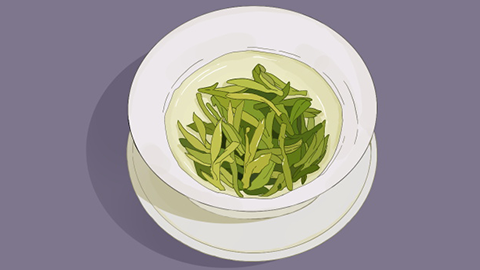
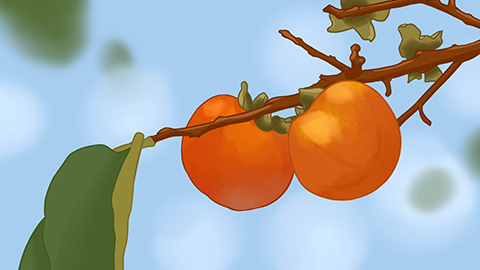
Persimmons aid digestion and stimulate appetite; similarly, drinking water infused with persimmon leaves helps quench thirst and moisten the body. A hallmark of diabetes is the “three more and one less” syndrome—increased thirst, increased hunger, increased urination, and unexplained weight loss. Persimmon leaves possess properties well-suited to addressing these symptoms. Dried persimmon leaves are preferable for infusion; fresh leaves should first be lightly stir-fried in oil before use. Individuals with diabetes may consume this infusion daily, much like ordinary tea.
Diabetes encompasses several distinct types, each requiring a tailored treatment approach. The most common types and their corresponding management strategies are as follows: I. Type 1 diabetes: Currently, insulin pump therapy is considered the optimal treatment, as it most closely mimics natural pancreatic islet function. This approach must be combined with appropriate dietary control and regular physical activity. II. Type 2 diabetes: Management begins with lifestyle modifications—including diet and exercise—as foundational interventions. Additional pharmacologic therapy—either oral hypoglycemic agents or insulin—is added based on disease severity and individual response. III. Gestational diabetes: Dietary adjustments and moderate physical activity remain central. If blood glucose levels remain inadequately controlled despite these measures, insulin therapy is recommended.
People with diabetes should prioritize foods high in dietary fiber and rich in vitamins—such as fresh vegetables and whole grains—in their daily diet. We hope this information proves helpful to you!


