


Can patients with diabetes take Synovitis Granules?

In daily life, some individuals experience symptoms of diabetes while simultaneously suffering from synovitis—causing significant disruption to their daily routines, studies, and mental well-being.
Can patients with diabetes take Synovitis Granules?
Patients with diabetes should not take Synovitis Granules, as they contain sucrose. Synovitis Granules possess properties of clearing heat, promoting diuresis and dampness elimination, invigorating blood circulation, and unblocking meridians. They are indicated for the treatment of acute and chronic synovitis, as well as postoperative recovery following knee joint surgery. These granules demonstrate therapeutic efficacy against various forms of arthritis and synovial inflammation caused by trauma. Typically, such medications aim to regulate qi and blood, dispel wind-dampness, and relieve pain. If a patient requires this medication, sugar-free granule formulations are available at pharmacies. Taking sugar-free granules will not adversely affect blood glucose levels. However, sugar-free preparations tend to be slightly more expensive than their sucrose-containing counterparts.
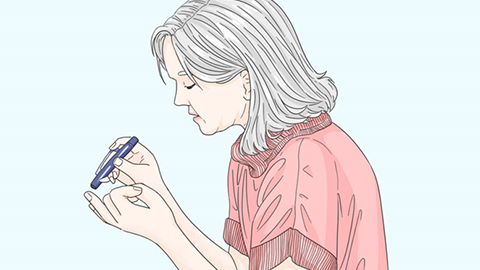
This medication appears brownish or dark brown, is granular in form, and has a bittersweet taste. It must not be taken by individuals with diabetes. Pregnant women should also use it with caution. Synovitis commonly arises from overexertion or trauma; following injury, swelling and pain develop in the knee joint, restricting mobility. Patients are advised to rest and minimize physical activity. Local heat application and massage may help alleviate pain. To prevent exposure to wind and cold, therapies such as shortwave diathermy, physiotherapy, or intra-articular sodium hyaluronate injections may be employed to enhance joint lubrication and relieve pain symptoms.

The above information is for reference only. Specific usage should strictly follow the instructions provided with the medication or be guided by a physician at a qualified medical institution. Additionally, individuals experiencing symptoms should promptly seek medical evaluation at a hospital and receive appropriate management under professional medical supervision. We hope this response proves helpful. Wishing you good health and happiness!


