


Can people with high blood sugar eat millet porridge?

Many people enjoy starting their day with a warm bowl of millet porridge as breakfast. Millet porridge aids digestion, and individuals with elevated blood glucose levels often consume it as well. So, can people with high blood sugar eat millet porridge?
Can people with high blood sugar consume millet porridge?
Individuals with high blood sugar are advised against consuming large quantities of porridge. Millet is rich in vitamins, amino acids, fats, and carbohydrates, offering high nutritional value. Per 100 grams, millet contains 9.7 g of protein, 3.5 g of fat, beta-carotene, and the highest concentration of vitamin B1 among all cereal grains. Due to its prolonged cooking time, porridge is easily digested and absorbed by the gastrointestinal tract, potentially causing a rapid spike—and significant fluctuations—in blood glucose levels. Therefore, consuming large amounts of porridge is not recommended for those with elevated blood sugar. If one still wishes to have it, a half-bowl may be acceptable when blood glucose is relatively well-controlled—provided it is accompanied by appropriate physical activity.
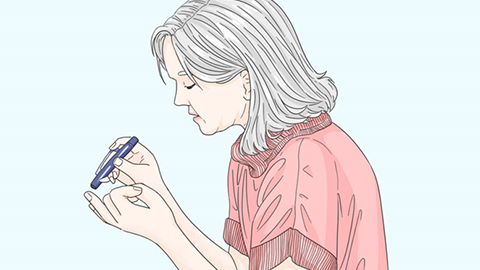
Elevated blood glucose often results from habitual consumption of high-sugar foods. Without timely intervention, persistently high blood glucose may progress to diabetes. Dietary management is therefore essential: reduce overall carbohydrate intake, avoid high-fat and high-cholesterol foods, and increase consumption of fruits and vegetables—including starchy vegetables such as sweet potatoes and potatoes. Non-starchy options like tomatoes, cucumbers, and grapefruit may also be beneficial, as they help lower blood glucose. In addition to dietary adjustments, insulin therapy may be prescribed; however, maintaining a healthy weight and overall physical fitness through regular exercise remains crucial in daily life.

Individuals with high blood sugar should actively monitor and manage their glucose levels, minimizing intake of sweets and other high-sugar foods to prevent serious health complications. Regular physical activity is also vital to strengthen immunity and promote overall well-being. We hope this information proves helpful!


