


Can people with high blood sugar consume maltose?

Maltose offers numerous health benefits, including detoxifying the body and clearing heat and toxins. Additionally, consuming more maltose may help alleviate constipation. But can individuals with high blood glucose consume maltose?
Can individuals with high blood glucose consume maltose?
“High blood glucose” typically refers to individuals with diabetes. Maltose is generally not recommended for such individuals. Maltose is a disaccharide (not a monosaccharide as incorrectly stated in the original text—this has been corrected for accuracy), composed of two glucose units, and is rapidly broken down into glucose during digestion. Like glucose, it is absorbed directly and quickly into the bloodstream without requiring significant metabolic processing. For people with hyperglycemia or diabetes, it is advisable to choose foods low in sugar content, with a low glycemic index (GI), and slow absorption rates—such as complex carbohydrates (e.g., starches). Foods with a slower, more gradual rise in blood glucose are more favorable for maintaining stable blood sugar levels in diabetic patients and cause less strain on target organs. Therefore, maltose is not recommended for individuals with diabetes, except in specific circumstances—such as hypoglycemia—when rapid-acting simple sugars (e.g., glucose tablets or oral glucose solutions) may be used to quickly restore blood glucose levels.
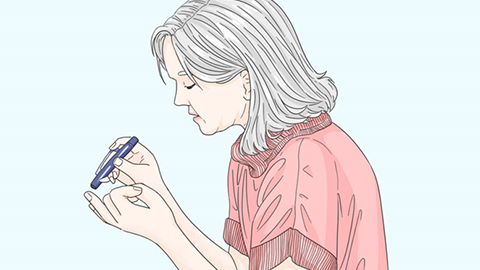
For individuals with diabetes, normal eating is permissible under strict blood glucose control; however, portion sizes of staple foods must be carefully regulated. Foods such as congee (rice porridge), which undergo prolonged cooking, tend to break down starches into maltose and other simple sugars, thereby increasing their glycemic impact. Thus, diabetic patients should limit consumption of congee and similar highly processed carbohydrate-rich foods.

Maltose is a carbohydrate food with a mild, sweet taste. However, once ingested, it is rapidly hydrolyzed into glucose and quickly absorbed by the body. Consequently, individuals with diabetes should avoid maltose. We hope this explanation proves helpful!


