


Can people with high blood sugar eat pineapple?
May 10, 2022
Source: Cainiu Health

Dr. Pan Yongyuan
Introduction
When blood glucose levels are elevated, it is advisable to avoid eating pineapple. Pineapple is a tropical fruit that, although rich in nutrients—including abundant vitamins, trace elements, and minerals—also contains a very high amount of sugar and has a high glycemic index. Consuming it may significantly affect blood glucose levels. Therefore, when blood glucose is high, it is recommended to choose fruits with lower sugar content.
Pineapple is a type of bromeliad fruit; however, compared to regular pineapple, “fengli” (a premium variety of pineapple cultivated in China) has a sweeter, more aromatic flavor—especially when fully ripe. Fengli is highly nutritious. People with diabetes also need essential nutrients from fruits; yet, given its distinct sweetness, the question arises: Can individuals with high blood glucose consume fengli?
Can individuals with high blood glucose eat fengli?
It is generally advisable to avoid eating fengli when blood glucose levels are elevated. As a tropical fruit, fengli is rich in vitamins, trace elements, and minerals; however, it also contains a high amount of natural sugars and has a high glycemic index (GI). Consumption can therefore cause a rapid rise in blood glucose levels. Thus, when blood glucose is elevated, individuals should opt for low-sugar fruits instead.

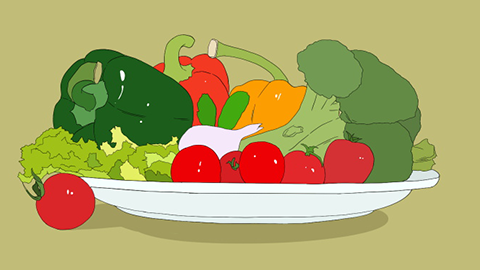
Individuals with high blood glucose should prioritize foods rich in dietary fiber and whole grains, such as oats, buckwheat, and corn. Recommended vegetables include dark green leafy varieties—e.g., spinach, celery, Chinese chives, and bamboo shoots. Legumes are excellent sources of plant-based protein and should be consumed in moderation: tofu, soybeans, soy milk, and dried tofu are all suitable options. Regarding fruits: patients with stable blood glucose may consume small portions occasionally—ideally during periods of lowest daily glucose levels, such as between meals, which represents the optimal timing for fruit intake in individuals with hyperglycemia.
If individuals with high blood glucose truly wish to consume fengli, they should first monitor their blood glucose levels. Provided that glycemic control is well maintained, a small portion may be acceptable—and may even help stimulate appetite. We hope this information proves helpful! Wishing you robust health and a joyful life!


