


Can people with high blood sugar consume goji berries?
May 10, 2022
Source: Cainiu Health

Dr. Pan Yongyuan
Introduction
People with high blood sugar can consume goji berries. Patients with hyperglycemia may drink goji berry–infused water daily, which can help regulate their constitution. As a traditional Chinese herbal medicine, goji berries nourish the liver and improve vision. For individuals with elevated blood glucose who also have concomitant fatty liver disease or alcoholic liver disease, goji berry tea may be selected to help protect the liver.
Elevated blood glucose levels—i.e., blood glucose concentrations above the normal range—are broadly categorized into physiological hyperglycemia and pathological hyperglycemia. Can individuals with high blood glucose consume goji berries (Lycium barbarum)?
Can individuals with high blood glucose consume goji berries?
Yes, individuals with elevated blood glucose may consume goji berries. Patients with hyperglycemia may prepare goji berry-infused water daily, which can help regulate overall physical constitution. As a traditional Chinese herbal medicine, goji berries support liver health and improve visual function. For patients with hyperglycemia who also have comorbid conditions such as fatty liver disease or alcoholic liver disease, consuming goji berry tea may provide hepatoprotective benefits. Additionally, goji berries may help alleviate eye strain—a common issue among individuals with chronically elevated blood glucose—thus offering supportive ocular benefits when consumed appropriately.
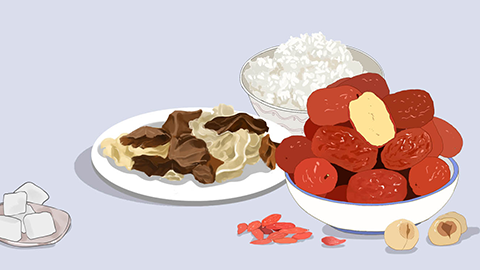
In terms of traditional Chinese medicine (TCM)-based health maintenance, individuals with hyperglycemia may incorporate certain herbs appropriately—for instance, goji berries. Moreover, some patients with hyperglycemia experiencing persistent fatigue due to long-standing illness may present with qi deficiency; in such cases, astragalus (Huang Qi) may be considered. Under the guidance of a qualified TCM practitioner, individuals with hyperglycemia may use herbal remedies for constitutional regulation—but these must never replace prescribed antihyperglycemic medications.
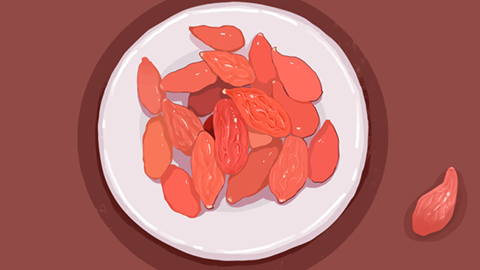
Individuals with diabetes are advised to select low-glycemic-index foods in moderation, such as buckwheat, oats, corn, brown rice, soybeans, pumpkin, celery, winter melon, black fungus (wood ear), mushrooms, and onions. A diverse, balanced diet is recommended, along with moderate intake of high-quality protein sources—including egg whites and fish. We hope this information proves helpful!



