


Can people with high blood sugar eat passion fruit?
May 10, 2022
Source: Cainiu Health

Dr. Pan Yongyuan
Introduction
People with high blood sugar can consume passion fruit. Diabetic patients often hesitate to eat passion fruit, fearing it is a fruit with high sugar content—hence the common concern: “Can I eat passion fruit if my blood sugar is elevated?” Prolonged hyperglycemia in diabetic patients may also lead to hypertension and hyperlipidemia. Although passion fruit is classified as a fruit, its actual sugar content is quite low, and it is highly nutritious.
Passion fruit, with its pleasantly tart-sweet flavor, is widely enjoyed by many. But can individuals with high blood glucose consume passion fruit?
Can individuals with high blood glucose eat passion fruit?
Yes, individuals with elevated blood glucose—including those with diabetes—can safely consume passion fruit. Some diabetic patients hesitate to eat it, mistakenly assuming that, as a fruit, it must be high in sugar. However, while long-term uncontrolled hyperglycemia may lead to hypertension and hyperlipidemia, passion fruit is actually low in sugar yet exceptionally nutrient-dense. It is rich in vitamins that help lower blood lipids and blood pressure and prevent atherosclerosis. Passion fruit also contains natural sedative compounds—specifically, bioactive flavonoids—that alleviate mental stress and promote restful sleep. Moreover, it exhibits antimicrobial properties, offering anti-inflammatory and antibacterial benefits for conditions such as gastroenteritis and colitis. Passion fruit helps reduce cholesterol levels, purify the blood, stimulate appetite, enhance secretion of digestive glands, and boost overall metabolic rate.

The sugar content of passion fruit is approximately 10%, classifying it as a low-sugar fruit. Fruits are generally categorized into three groups based on sugar content: those with ≤10% sugar are considered low-sugar fruits; those with 10–20% sugar are moderate-sugar fruits; and those exceeding 20% sugar are high-sugar fruits. For diabetic patients, “basically well-controlled” blood glucose typically means fasting glucose levels maintained between 6.5–7.5 mmol/L and postprandial (2-hour) glucose levels between 7.5–8.5 mmol/L. Under these conditions, passion fruit may be consumed between meals—ideally one fruit per serving.
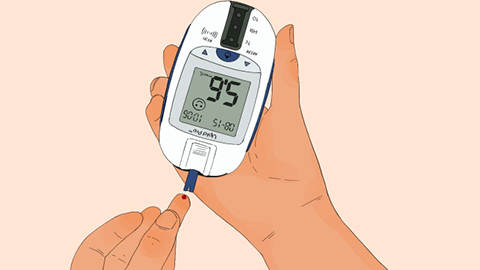
If blood glucose remains poorly controlled, fruit consumption—including passion fruit—is not recommended. Instead, patients may opt for non-glycemic-raising foods such as cucumbers and tomatoes. We hope this information is helpful. Wishing you a joyful life and optimal health!


