


Can people with high blood sugar eat celery?

Dietary fiber enhances satiety and reduces intake of other foods. After consumption, dietary fiber causes only a minimal rise in blood glucose levels—and celery, too, has a low glycemic impact. So, can individuals with high blood sugar eat celery?
Can individuals with high blood sugar eat celery?
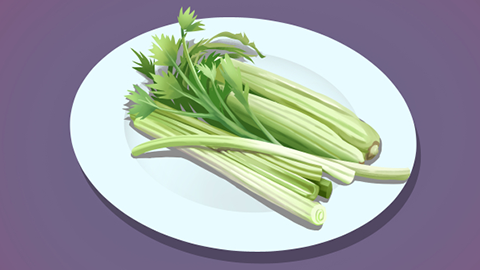
Individuals with elevated blood glucose may consume celery in moderation. Celery is exceptionally low in sugar, cholesterol, and fat, yet rich in dietary fiber, classifying it as a low-glycemic-index (GI) food. Its high fiber content slows nutrient absorption, thereby helping to stabilize blood glucose levels. Moreover, celery contains abundant trace elements that not only aid in improving hyperlipidemia and hypertension but also enhance microcirculation. It may also benefit patients with impaired intestinal digestion and absorption. Thus, people with diabetes can safely include celery in their diet. However, due to its high fiber content, celery may cause abdominal pain or diarrhea in individuals with sensitive or weakened gastrointestinal function; therefore, dietary choices should be tailored to individual tolerance.

Individuals with high blood sugar should carefully manage their daily diet. It is recommended to choose foods that are low on the glycemic index, low in cholesterol and fat, and high in vitamins and dietary fiber. Total daily caloric intake should be controlled. Within a fixed total calorie allowance, prioritize low-calorie, high-fiber vegetables—while avoiding sweets, greasy foods, and deep-fried vegetables, which tend to be excessively high in calories.
Please note: Due to its high fiber content, celery may trigger abdominal pain or diarrhea in individuals with pre-existing gastrointestinal disorders. Dietary decisions should therefore be made based on individual tolerance. If your digestive system cannot tolerate celery, do not force yourself to eat it. We hope this information is helpful to you!


