


Can people with high blood lipid levels eat red dates?

During a routine health examination organized by your employer, certain test results were found to be abnormal. Specifically, the report indicated elevated total cholesterol and triglyceride levels—both outside the normal reference range—and concluded with a diagnosis of hyperlipidemia. So, can individuals with hyperlipidemia eat red dates (jujubes)?
Can individuals with hyperlipidemia eat red dates?
Yes, individuals with hyperlipidemia may consume red dates. Red dates are naturally low in fat, so they are not inherently contraindicated for people with high blood lipids. However, those with concurrent hyperglycemia must limit their intake of red dates. Dried red dates, in particular, contain relatively high amounts of sugar and have a high glycemic index. Excessive consumption can cause significant spikes in blood glucose levels, leading to glycemic fluctuations and thereby increasing the risk of cardiovascular, cerebrovascular, and renal complications.
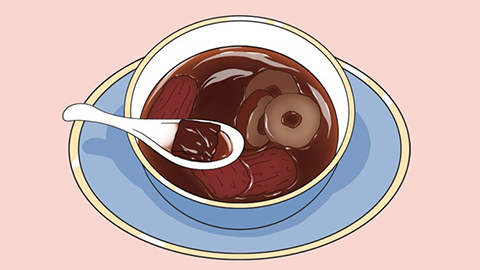
Individuals with both hyperlipidemia and hyperglycemia or diabetes should either avoid red dates altogether or consume them only in strictly limited quantities. Furthermore, when red dates are consumed, their caloric content must be subtracted from the total calories allocated for the next meal.

For individuals with isolated hyperlipidemia (i.e., without coexisting hyperglycemia), consuming red dates is generally safe. The primary dietary focus for hyperlipidemia management is a low-fat diet rich in dietary fiber. Once ingested, dietary fiber binds excess lipids in the intestinal tract and stimulates intestinal motility, facilitating timely excretion of fats from the body. Patients with hyperlipidemia should adopt a light, low-fat diet—avoiding high-fat foods such as organ meats and high-fat nuts (e.g., cashews)—and carefully monitor their daily caloric intake. We hope this information proves helpful.


