


Can people with high blood sugar eat black rice?

White rice is a common staple food in daily life. Black rice, by contrast, boasts higher nutritional value. Individuals with elevated blood glucose levels must follow specific dietary restrictions—so can people with high blood sugar consume black rice?
Can individuals with high blood sugar eat black rice?
Patients with high blood sugar should avoid black rice porridge; however, black rice can be consumed in other forms. Black rice is highly nutritious, and when prepared appropriately, it provides the body with abundant essential nutrients. However, black rice porridge—like congee or noodle soup—is considered a high-glycemic-index food, which is generally not recommended for individuals with diabetes. Consuming such foods causes rapid spikes in blood glucose levels after meals, leading to postprandial hyperglycemia, greater glycemic fluctuations, and an increased risk of acute or chronic diabetic complications.
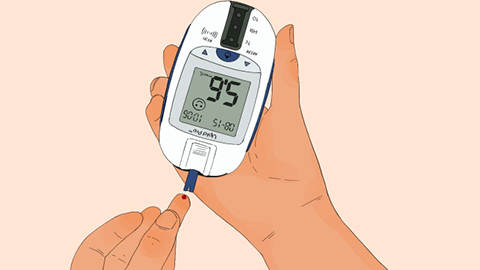
Elevated blood glucose often results from habitual consumption of high-sugar foods. Without timely intervention, persistently high blood glucose may progress to diabetes. First, reduce overall caloric intake—eat smaller portions at each meal—and avoid foods high in fat and cholesterol. Additionally, increase consumption of fruits and vegetables; starchy vegetables such as potatoes and sweet potatoes are also acceptable in moderation. Vegetables and fruits like tomatoes, cucumbers, and grapefruit may be consumed in appropriate amounts, as they help lower blood glucose. Insulin therapy may also be prescribed, but lifestyle management—including regular physical activity to achieve and maintain a healthy weight—is equally critical for sustaining overall health.

Individuals with high blood sugar must carefully monitor their daily diet, strictly limiting intake of sugars and high-sugar foods to prevent further elevation of blood glucose, progression to diabetes, and adverse effects on overall health.


