


Can people with high blood sugar eat pineapple?
May 11, 2022
Source: Cainiu Health

Dr. Pan Yongyuan
Introduction
Individuals with high blood glucose may consume pineapple in moderation if their blood sugar levels are stable; however, excessive intake should be avoided to prevent fluctuations in blood glucose. Patients with hyperglycemia may regularly eat low-sugar fruits such as kiwifruit, strawberries, and lemons. Primary staples should include buckwheat noodles, oatmeal, and soy products. Additionally, long-term, consistent, and dosage-controlled use of antihyperglycemic medications—as prescribed by a physician—can help suppress disease progression.
Pineapple is a common fruit widely consumed in daily life, especially in regions such as Hainan. It has been cultivated for over three thousand years and is particularly popular among adolescents. Some individuals with diabetes also enjoy eating pineapple. But can people with high blood glucose consume pineapple?
Can people with high blood glucose eat pineapple?
Individuals with stable high blood glucose may consume pineapple in moderation; however, excessive intake should be avoided to prevent fluctuations in blood sugar levels. Patients with hyperglycemia may opt for low-sugar fruits such as kiwifruit, strawberries, and lemons. Their staple foods should primarily include buckwheat noodles, oatmeal, and soy-based products. Long-term, consistent use of antihyperglycemic medications—strictly as prescribed by a physician—is essential to help control disease progression. Regular hospital visits for blood glucose monitoring are crucial to detect elevations early and prevent severe complications such as skin ulcers or lower-limb necrosis, which become significantly more difficult to treat in advanced stages.
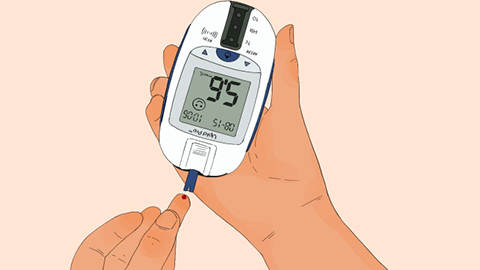
Hyperglycemia often results from habitual consumption of high-sugar foods. Without timely intervention, persistently elevated blood glucose may progress to diabetes mellitus. Dietary management is therefore the first-line strategy: reduce overall caloric intake, avoid high-fat and high-cholesterol foods, and increase consumption of fruits and vegetables—including potatoes and sweet potatoes. Vegetables and fruits such as tomatoes, cucumbers, and grapefruit may also be consumed in appropriate amounts, as they possess potential blood-glucose-lowering effects. Insulin therapy may be indicated in certain cases; however, lifestyle modifications—including regular physical activity and weight management—are equally vital for maintaining overall health.

Patients with hyperglycemia must pay close attention to their daily diet and strictly limit carbohydrate and sugar intake. Consuming high-sugar foods may further elevate blood glucose levels, increasing the risk of developing diabetes and compromising overall health. We hope this information proves helpful to you!


