


Which is higher: venous blood glucose or capillary (finger-prick) blood glucose?

In daily life, two common methods for measuring blood glucose are venous blood glucose testing and finger-prick capillary blood glucose testing—both widely used in clinical practice. So, which is higher: venous blood glucose or finger-prick capillary blood glucose?
Which Is Higher: Venous Blood Glucose or Finger-Prick Capillary Blood Glucose?
Finger-prick capillary blood glucose levels are typically higher than venous blood glucose levels. This is because arterial blood flows through the capillaries in the fingertips to exchange nutrients and energy with local tissues and organs; thus, theoretically, capillary blood glucose concentrations exceed those in venous blood. For diagnosing diabetes, standardized venous blood glucose criteria must be followed. Diabetic patients also require venous blood testing—including fasting blood glucose, lipid profile, glycated hemoglobin (HbA1c), liver and kidney function tests, and electrolyte levels.
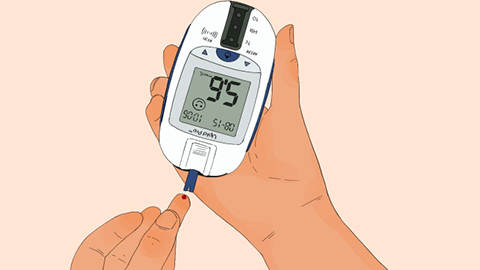
For self-monitoring of blood glucose, diabetic patients need only use a glucometer to test finger-prick capillary blood glucose. Regular calibration of the glucometer ensures that capillary glucose readings remain accurate and reliable for evaluating treatment efficacy. Venous blood glucose values should not be mechanically compared with finger-prick capillary glucose values to question the accuracy of the latter. When experiencing symptoms of illness, timely finger-prick glucose testing can help identify hypoglycemia and enable prompt correction. Diabetic patients should undergo periodic venous blood testing to assess overall control of both blood glucose and lipid levels. Only comprehensive, individualized, and safe management strategies can effectively prevent diabetes-related complications.

If you experience any physical discomfort, it is advisable to seek medical evaluation promptly to determine the underlying cause and receive appropriate treatment. We hope this information has been helpful!


