


Can people with hyperlipidemia consume natto?

Hyperlipidemia refers to abnormally elevated blood lipid levels, which can directly cause several serious health conditions. While undergoing medical treatment, dietary management is equally important. So, can individuals with hyperlipidemia consume natto?
Can individuals with hyperlipidemia consume natto?
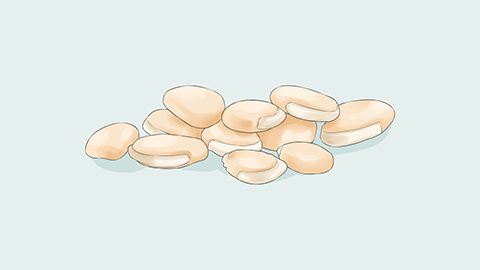
Yes, individuals with hyperlipidemia may consume natto. Natto can enhance the activity of antioxidant enzymes. After consumption, the body’s overall antioxidant capacity and the antioxidant capacity of serum low-density lipoprotein (LDL) improve, promoting vasodilation and preventing thrombus formation. Natto actively inhibits the process of thrombus formation. Furthermore, it helps lower blood lipid levels, maintains vascular patency, and prevents cardiovascular and cerebrovascular diseases.
Hyperlipidemia can lead to hypertension, gallstones, pancreatitis, severe hepatitis, male sexual dysfunction, and Alzheimer’s disease. Recent research suggests a potential association between hyperlipidemia and certain cancers. The primary clinical manifestations of hyperlipidemia fall into the following categories: Mild hyperlipidemia often produces no noticeable symptoms; however, the absence of symptoms does not rule out elevated lipid levels—thus, regular lipid profile testing is essential. Common nonspecific symptoms include dizziness, fatigue, insomnia, forgetfulness, numbness in the extremities, chest tightness, and palpitations—symptoms that may overlap with those of other diseases. Some patients exhibit elevated lipid levels without any overt symptoms and are only diagnosed during routine physical examinations or blood tests. Additionally, hyperlipidemia frequently coexists with overweight and obesity.

The damage caused by hyperlipidemia is insidious, progressive, cumulative, and systemic. Therefore, timely intervention is crucial. We hope this information proves helpful to you!


