


What causes hematemesis?
May 11, 2022
Source: Cainiu Health

Dr. Liu Zhengxin
Introduction
The most common cause of upper gastrointestinal bleeding is peptic ulcer disease, including gastric and duodenal ulcers. When an ulcer erodes into a blood vessel, it can result in hematemesis. Esophagogastric variceal rupture—often seen in patients with cirrhosis and portal hypertension—is another major cause. Additionally, acute injury such as Mallory–Weiss tears at the gastroesophageal junction may occur following severe vomiting, for example, repeated induced vomiting.
Hematemesis (vomiting blood) has numerous potential causes—over a dozen distinct diseases may lead to it. Generally, the occurrence of hematemesis always indicates an underlying pathological condition. If the vomited blood appears bright red or pinkish and frothy, it typically originates from the respiratory tract. Such conditions include pulmonary tuberculosis, bronchiectasis, or acute left-sided heart failure.

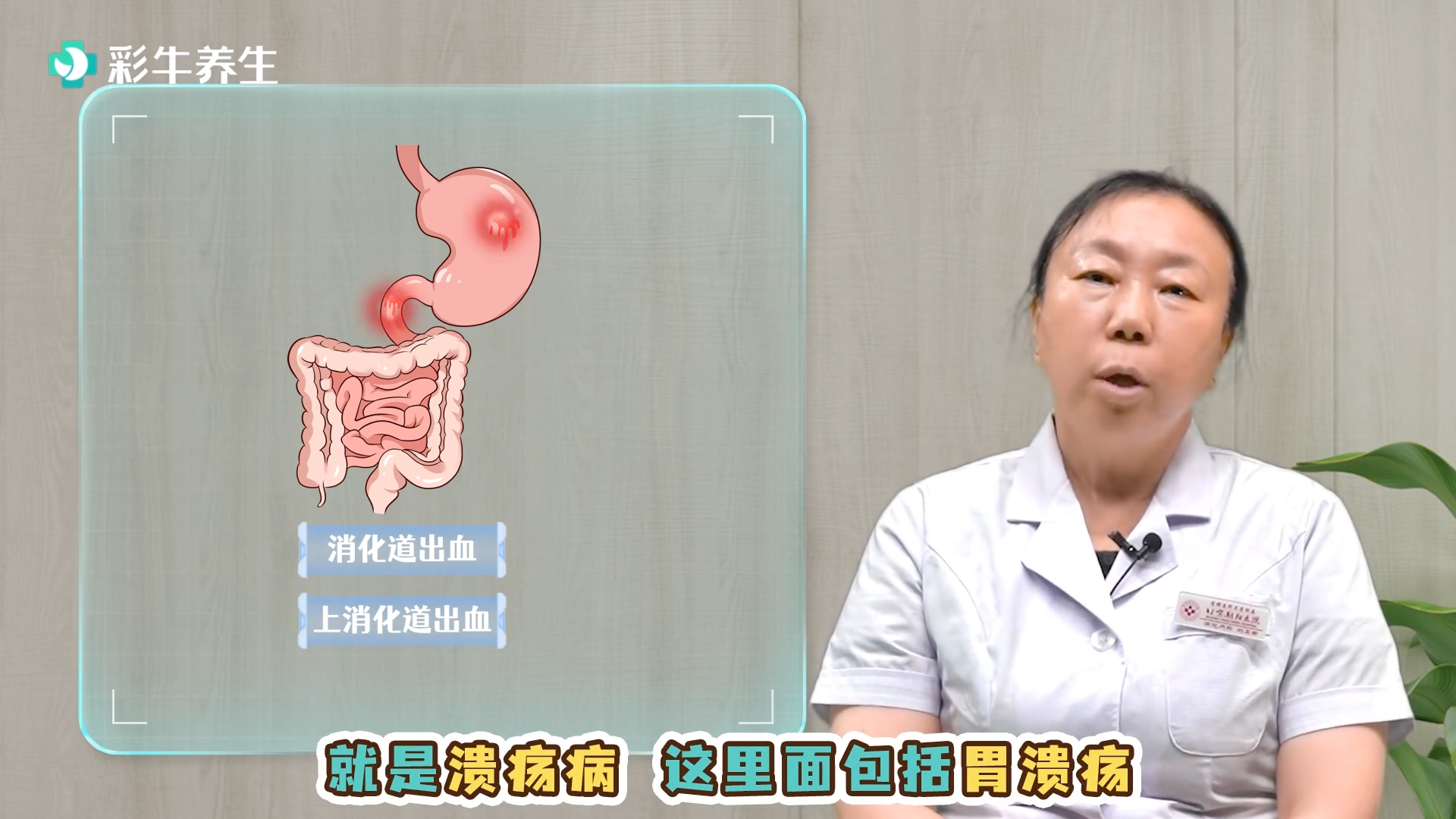
If the vomited blood is coffee-colored, black, or dark red, this usually signifies upper gastrointestinal bleeding. The most common cause of upper GI bleeding is peptic ulcer disease—including gastric ulcers and duodenal ulcers. When an ulcer erodes into a blood vessel, hematemesis may occur; if it ruptures into an artery, bleeding can be severe and life-threatening, necessitating prompt medical attention.
A second major cause of hematemesis is rupture of esophageal or gastric varices, commonly seen in patients with liver cirrhosis and portal hypertension. These individuals often have a history of hepatitis or cirrhosis and are usually able to recognize the severity of their hematemesis and seek timely medical care. Without prompt treatment, such bleeding can also be fatal.
A third category is Mallory-Weiss syndrome—the acute mucosal laceration at the gastroesophageal junction—often triggered by severe vomiting, such as after excessive alcohol consumption or repeated induced vomiting (e.g., gagging). This tear results in the vomiting of fresh blood and requires immediate medical evaluation and hemostatic treatment. A fourth cause includes gastric malignancies, such as gastric cancer, which may also present with hematemesis and warrants urgent hospital referral. Regardless of the underlying cause, any episode of hematemesis signals an underlying disease and necessitates prompt medical evaluation.


