


Is It Cold Sores or Cheilitis?

Sometimes, severe pain in the lips occurs during eating—not only interfering with eating but also affecting one’s appearance. Some people suspect it is cold sores (herpes labialis), while others think it may be cheilitis. So, is it cold sores or cheilitis?
Is It Cold Sores or Cheilitis?
Cheilitis is an inflammatory condition affecting the lips and often resolves spontaneously. In contrast, cold sores (herpes labialis) are skin and mucosal infections caused by the herpes simplex virus. Differentiation between cheilitis and cold sores can be made based on their etiologies, clinical manifestations, and treatments. Cheilitis is commonly triggered by allergic factors—such as reactions to lipsticks or ultraviolet (UV) radiation from sunlight—or by environmental dryness leading to moisture loss from the lips. Cold sores, however, are primarily caused by infection with herpes simplex virus type 1 (HSV-1), typically occurring when the body’s immune defenses are compromised.
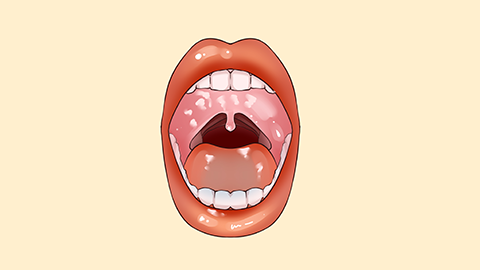
Clinically, cheilitis presents with symptoms such as lip swelling, scaling, and fissuring. Cold sores, by contrast, manifest as clusters of small vesicles at the interface between skin and mucosa. Zinc borate ointment may be used for treating cheilitis, whereas penciclovir cream is indicated for cold sores.
However, it is important to note that prompt treatment yields the best outcomes—especially during the early stages of either cold sores or cheilitis. Therefore, initiating appropriate pharmacological therapy as soon as possible is strongly recommended; delays should be avoided. We hope this information proves helpful to you!


