


What disinfectant should be used for the clothing of patients with herpes?

Herpes is a viral skin disease caused by the herpes virus, which can damage the skin and cause pruritus (itching). What disinfectant should be used to decontaminate clothing contaminated with herpes virus?
Which disinfectant should be used for clothing worn by herpes patients?
Clothing worn by individuals infected with the herpes virus may be disinfected using “84 Disinfectant” (a sodium hypochlorite-based solution) or by boiling in hot water. Herpes zoster (shingles) is a contagious disease caused by the varicella-zoster virus (VZV); transmission occurs via direct skin-to-skin contact or indirectly through contaminated objects such as clothing, towels, or bed linens. Therefore, proper disinfection of clothing is critically important and constitutes a key measure for reducing disease transmission. The varicella-zoster virus exhibits relatively low environmental stability; it rapidly loses infectivity when exposed to “84 Disinfectant” or high temperatures during boiling—thus, either method effectively achieves disinfection.
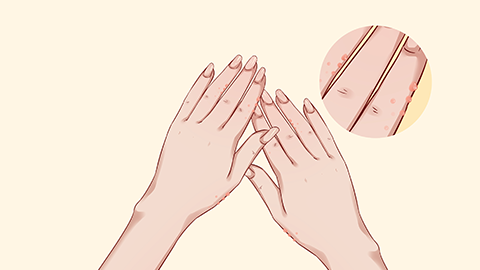
Herpes encompasses two main types: herpes simplex and herpes zoster. Herpes simplex typically manifests as recurrent, painful vesicles clustered on a background of localized, edematous erythema. Herpes zoster presents as grouped, small vesicles distributed unilaterally in a band-like pattern along a specific peripheral nerve dermatome, frequently accompanied by severe neuropathic pain. Herpes simplex is caused by the herpes simplex virus (HSV), which comprises two serotypes based on antigenic differences: HSV-1 and HSV-2. HSV-1 predominantly causes infections of the oral-facial region and eyes, whereas HSV-2 primarily causes genital mucocutaneous infections. Cross-immunity exists between these two serotypes.
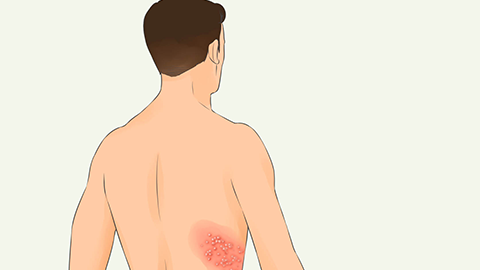
When herpes lesions occur, appropriate local care is essential—keep the affected area clean and dry. We hope this information proves helpful to you!


