


What ointment is best for dyshidrotic eczema on the hands?

Dyshidrotic eczema (also known as pompholyx) is relatively common in daily life; however, some patients remain unfamiliar with it—especially when it appears on the hands. In severe cases, it may impair hand function and interfere with grasping or scratching. So, what topical ointment is best for dyshidrotic eczema on the hands?
What topical ointment is best for dyshidrotic eczema on the hands?
If small blisters appear on the hands due to dyshidrotic eczema, it is recommended to cleanse the area first, then apply calamine lotion, followed by a topical corticosteroid such as Naideshuang (a brand name for a compound preparation containing clobetasol propionate), hydrocortisone butyrate cream, or triamcinolone acetonide–econazole cream—these help reduce blister formation. When pruritus (itching) occurs, adding an injectable solution (e.g., dexamethasone injection) or halcinonide solution to the calamine lotion may enhance therapeutic efficacy.
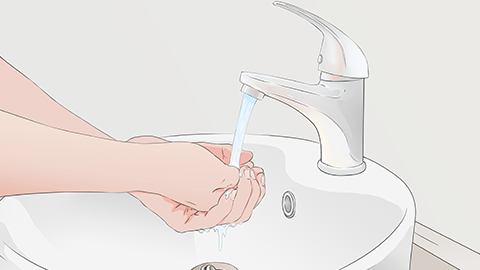
The primary cause of dyshidrotic eczema on the hands is overactive eccrine sweat glands, coupled with delayed or inadequate removal of sweat from the skin surface. However, allergic reactions may also trigger its onset. Clinically, dyshidrotic eczema is classified as a subtype of eczematous dermatitis. Its hallmark symptom is the appearance of small, deep-seated vesicles on the skin. While it commonly affects both hands and feet, involvement of the hands is particularly frequent. Excessive hand sweating is the most common etiological factor. Additionally, emotional stress, food or drug allergies, and exposure to certain irritants may contribute to disease development.
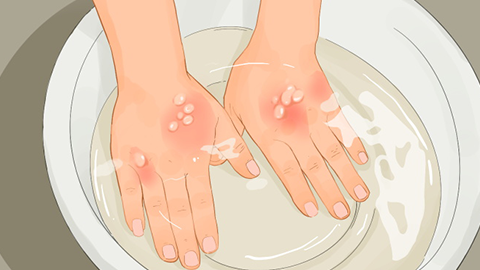
After developing dyshidrotic eczema on the hands, patients should maintain proper hand hygiene and ensure thorough drying. However, cleansing should be performed using lukewarm water only; alkaline soaps, scented soaps, or shower gels should be avoided, as these may further irritate the skin and exacerbate symptoms. Dietary habits also require attention: meals should emphasize light, nutritious foods while strictly avoiding spicy, stimulating, or allergenic items. Patients should also minimize contact with known allergens. We hope this information proves helpful!


