


What medication should be used for dyshidrotic eczema on the hands?

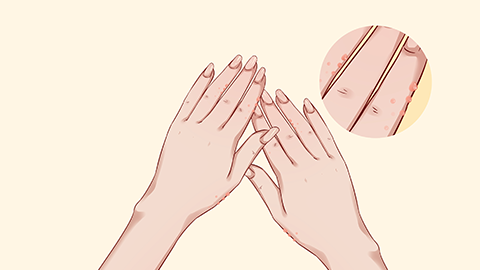
Hand dyshidrotic eczema (pompholyx) may be caused by excessive hand sweating, excessive mental stress, allergic reactions, fungal infection of the hands, or hand eczema. Management depends on the underlying cause. Under medical guidance, topical medications such as ketoconazole cream, terbinafine hydrochloride cream, and dexamethasone cream may be prescribed. It is advisable to seek prompt medical evaluation and treatment under a physician’s supervision.
1. Excessive Hand Sweating
Some individuals possess highly active eccrine sweat glands in their palms, leading to excessive sweating. Prolonged skin moisture from excessive sweat causes maceration of the stratum corneum, potentially triggering dyshidrotic eczema. In most cases, pharmacologic treatment is unnecessary. Instead, maintain clean, dry hands; wash regularly with lukewarm water and mild soap; and thoroughly dry hands after washing.
2. Excessive Mental Stress
Heightened psychological tension or anxiety can disrupt autonomic nervous system regulation, resulting in dysregulated sweat and sebum secretion from palmar glands—potentially precipitating dyshidrotic eczema. Medication is typically not required. Stress reduction techniques—including deep breathing exercises, meditation, and yoga—are recommended.
3. Allergic Reactions
Contact with allergens—such as detergents, metals, or rubber—can provoke allergic dermatitis on the hands. Resultant cutaneous inflammation may trigger dyshidrotic eczema. Mild allergic reactions usually do not require medication; avoidance of known allergens is key. When handling potential sensitizers, wear protective gloves.
4. Fungal Infection of the Hands
Dermatophyte infections compromise the skin’s natural barrier function and induce inflammatory responses, which may contribute to dyshidrotic eczema and associated pruritus. Under physician guidance, antifungal creams—including ketoconazole cream, terbinafine hydrochloride cream, and bifonazole cream—may be used.
5. Hand Eczema
Hand eczema may arise from environmental exposures, dietary factors, or infections, impairing the skin barrier and provoking inflammation that can manifest as dyshidrotic eczema—often accompanied by pruritus and stinging sensations. Under medical supervision, topical corticosteroids such as halometasone cream, dexamethasone cream, or hydrocortisone cream may be prescribed to alleviate symptoms.
Maintain healthy daily habits: practice good personal skin hygiene, avoid excessive fatigue, and refrain from intense physical activity to prevent systemic discomfort.


