


How to Nourish and Tonify the Body in Autumn

Nourishing the body is essential year-round, especially during autumn—a season associated with a higher incidence of illness. Adopting appropriate nourishment strategies is crucial; however, many individuals are uncertain about how to nourish themselves properly during this season. So, how should one nourish the body in autumn?
How to Nourish the Body in Autumn
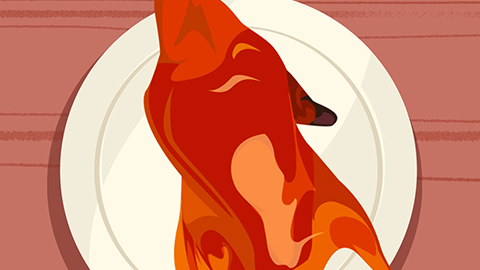
Before beginning autumn nourishment, it is advisable to allow the spleen and stomach time to adjust and adapt. Consume nutrient-rich, easily digestible foods such as fish, meat, eggs, Chinese yam (Dioscorea opposita), lotus seeds, grains, and rice. Dairy products and soy-based foods are also beneficial. Once the digestive functions of the spleen and stomach have gradually recovered, high-protein foods may be consumed in greater quantities. Poultry—especially duck—is particularly recommended during autumn.
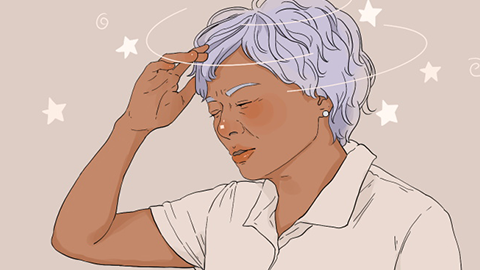
In late autumn, low temperatures cause reduced elasticity of superficial blood vessels, increased peripheral vascular resistance, sympathetic nervous system activation, and elevated secretion of adrenal cortical hormones—leading to constriction of small arteries, elevated blood pressure, and potential cerebral vascular rupture. Cold weather also increases plasma fibrin concentration, resulting in heightened blood viscosity and an increased risk of thrombosis. Therefore, patients with pre-existing conditions such as hypertension, diabetes, or coronary heart disease must ensure consistent management of their underlying illnesses. Be vigilant for early warning signs—including sudden dizziness, severe headache, blurred vision, or numbness in the limbs—and seek immediate medical attention to prevent serious complications.
Additionally, preventive measures against illness are vital during autumn. Regular health check-ups help reduce disease incidence and promote overall well-being. We hope this information proves helpful to you!


