


What should I do about dyshidrotic eczema on my hands?

Herpes infections affect some individuals, particularly dyshidrotic eczema (also known as pompholyx) on the hands. This condition not only interferes with daily work but also significantly reduces quality of life. What should you do if you develop dyshidrotic eczema on your hands?
What to Do If You Develop Dyshidrotic Eczema on Your Hands
For dyshidrotic eczema on the hands, topical anti-inflammatory corticosteroid ointments—such as mometasone furoate ointment or hydrocortisone butyrate cream—are commonly used, especially during early-stage disease. In cases of severe symptoms, oral antihistamines—including loratadine, ebastine, and cetirizine—may be considered. If numerous blisters are present, short-term, low-dose systemic corticosteroids (e.g., oral prednisone) may be prescribed.
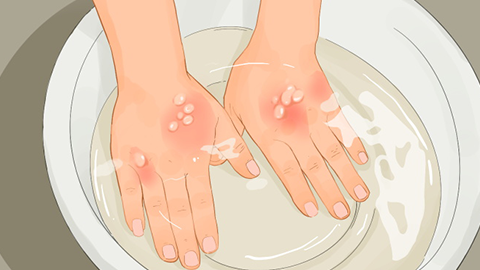
It is also essential to actively identify and avoid potential triggers of dyshidrotic eczema. Physical factors, weather changes, and environmental influences may provoke recurrence—though these are often difficult to avoid entirely. However, emotional stress and anxiety can also trigger flare-ups in some individuals; therefore, stress management and avoidance of local irritants are recommended.

If you develop dyshidrotic eczema on your hands, keep the affected skin clean and dry. Avoid contact with water during active treatment. Minimize exposure to soap, laundry detergent, dishwashing agents, and other cleaning products. Do not puncture or squeeze blisters, and never scratch the affected area with unwashed hands. During active disease, follow a light, bland diet—avoid spicy, stimulating, or greasy foods. Increase intake of fresh vegetables, fruits, and water. Ensure adequate rest; avoid excessive fatigue, sleep deprivation, tension, or anxiety. When working, wear protective gloves, and apply hand cream after each hand wash to help maintain skin barrier integrity. We hope this information is helpful!


