


What should I do if I develop herpes sores at the corner of my mouth?
May 12, 2022
Source: Cainiu Health

Dr. Liu Wan
Introduction
Even if no herpes lesions develop, a single lesion may still appear. If the herpes lesion has already enlarged, apply acyclovir or ganciclovir ointment or gel, ensuring complete coverage of the entire lesion surface. Healing typically occurs within approximately 5 days, and full recovery is usually achieved within 1–2 weeks. Post-healing hyperpigmentation may persist but will gradually fade over time.
The most common cause of cold sores at the corners of the mouth is infection of the skin and mucous membranes by the herpes simplex virus (HSV). So, what should you do if you develop a cold sore at the corner of your mouth?
What to Do If You Develop a Cold Sore at the Corner of Your Mouth
The most common cause of cold sores at the corners of the mouth is infection of the skin and mucous membranes by the herpes simplex virus (HSV). HSV infections tend to recur. Therefore, maintaining a strong immune system through healthy lifestyle habits is essential to reduce the frequency of recurrences. Cold sores occurring at the oral commissures are termed “recurrent herpes labialis” and are caused by HSV infection.
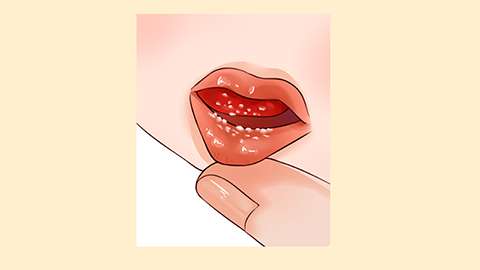
Treatment options for cold sores at the corners of the mouth include topical antiviral medications—such as acyclovir or ganciclovir ointment or gel. Applying these medications promptly at the earliest signs of an outbreak (e.g., redness or itching of the lips) can yield optimal therapeutic results. Even in the absence of visible lesions, prophylactic application may prevent lesion development altogether. If a cold sore has already enlarged, apply acyclovir or ganciclovir ointment or gel to fully cover the entire lesion surface. With consistent treatment, healing typically occurs within approximately five days, and full recovery—including resolution of associated symptoms—is usually achieved within one to two weeks. Post-healing hyperpigmentation may persist temporarily but gradually fades over time.
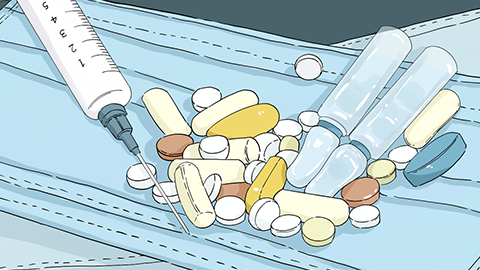
Oral antiviral therapy for recurrence prevention: In cases of frequent recurrence—such as outbreaks occurring at short intervals or monthly—the patient should consult a physician for guidance on appropriate oral antiviral therapy (e.g., acyclovir or ganciclovir) to effectively prevent subsequent episodes of herpes labialis. The herpes simplex virus responsible for cold sores remains latent within sensory nerve ganglia. Triggers such as upper respiratory infections with fever, psychological stress, or sleep deprivation may reactivate the virus and precipitate recurrent outbreaks. Initiating oral antiviral therapy at the onset of symptoms can help mitigate recurrence risk. We hope this article has been helpful. Wishing you a joyful life and good health!


