


Why Do Dyshidrotic Eczema Lesions Develop on the Hands?

Dyshidrotic eczema typically appears on the hands or feet, presenting as small blisters accompanied by itching. If left untreated or improperly managed, the condition may progressively worsen and negatively impact the patient’s emotional well-being. So why does dyshidrotic eczema develop on the hands?
Why Does Dyshidrotic Eczema Develop on the Hands?
The onset of dyshidrotic eczema is associated with multiple factors. Psychological stress—such as excessive anxiety, fatigue, or depression—can significantly increase susceptibility to this condition. Therefore, patients should maintain a positive mental state and avoid prolonged exposure to high levels of psychological stress, which may trigger or exacerbate dyshidrotic eczema and lead to seasonal recurrence. Additionally, maintaining healthy dietary habits is essential.
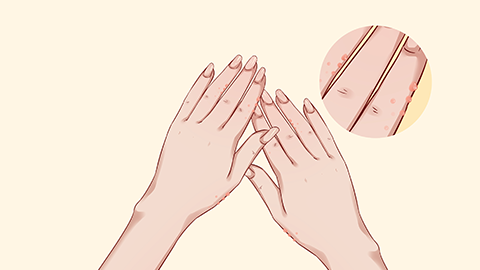
Dyshidrotic eczema primarily arises from individual predisposing factors. Some people naturally sweat more profusely from their hands and feet, placing them at higher risk for developing this condition. When dyshidrotic eczema occurs, prompt application of traditional Chinese herbal topical solution—such as Fukanjie Solution—may yield better therapeutic outcomes. Patients should avoid contact with irritants such as detergents, paints, and disinfectants, as these can aggravate symptoms. Likewise, avoid using soap or alkaline cleansers when washing hands.
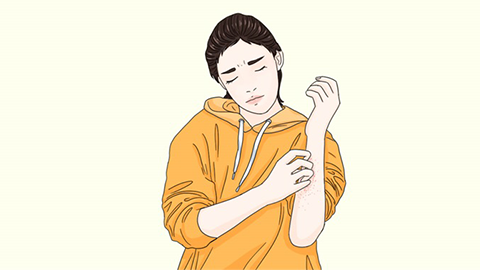
In summary, the primary causes of dyshidrotic eczema include psychological stress, hyperhidrosis (excessive sweating) of the hands and feet, fungal infection, and allergic or hypersensitivity reactions. The condition is especially common during summer, when sweat production peaks, and often improves in winter. With timely and appropriate treatment, most cases respond well and resolve readily. We hope this information has been helpful!


