


Can cold sores at the corner of the mouth be popped?

In daily life, some individuals develop “internal heat” (a traditional Chinese medicine concept referring to inflammatory or hyperactive conditions) due to poor dietary habits and other unhealthy lifestyle practices. One common manifestation is the development of painful blisters at the corners of the mouth—can these blisters be deliberately ruptured?
Can blisters at the corners of the mouth be ruptured?
Blisters at the corners of the mouth are commonly caused by infection with the herpes simplex virus (HSV), typically presenting as recurrent herpes labialis. Intentionally rupturing such blisters is generally discouraged, as the fluid within contains active virus particles and is potentially contagious. These blisters often recur—especially during periods of physical stress, such as fever, colds, or “internal heat.”
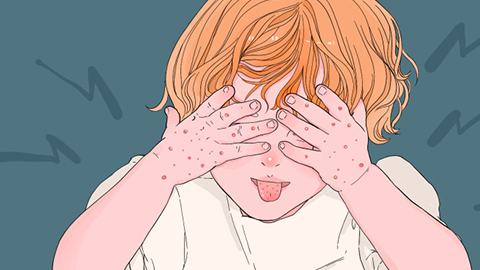
Moreover, rupturing the blisters increases the risk of secondary bacterial infection. Instead, topical medications may be used to promote blister absorption, drying, crusting, and eventual shedding. Astringent agents—such as calamine lotion—can help accelerate drying and absorption. Clinically, traditional Chinese herbal preparations (e.g., Chonglou Jiedu Ding, a herbal antiseptic tincture) or antiviral ointments (e.g., penciclovir) may also be employed.

Patients are advised to maintain adequate rest, stay emotionally relaxed, avoid spicy or irritating foods, drink plenty of water, and consume vitamin C–rich fruits—such as kiwifruit and strawberries—as well as high-quality protein sources like soy milk and milk. Local hygiene should also be carefully maintained. Additionally, cultivating healthy lifestyle habits—including ensuring sufficient sleep—is essential. Avoiding spicy, stimulating, and seafood-based foods is particularly important during active outbreaks, as these may impede recovery or exacerbate symptoms. We hope this information proves helpful!


