


What should I do if my hands crack in winter? Are there any effective remedies?

During winter, the weather tends to be dry, causing many people to develop cracked hands—sometimes severe enough to bleed—leading to discomfort in both work and daily life. So, what can be done about hand fissures in winter? Are there any effective remedies?
What to Do About Hand Fissures in Winter—Effective Remedies
Hand fissures in winter are primarily caused by cold, dry air. Applying petroleum jelly or glycerin can help prevent skin dryness and cracking. Frequent contact with cleansing agents—such as soap or laundry detergent—may also contribute to skin fissuring. Therefore, it is advisable to wear gloves when handling such products.
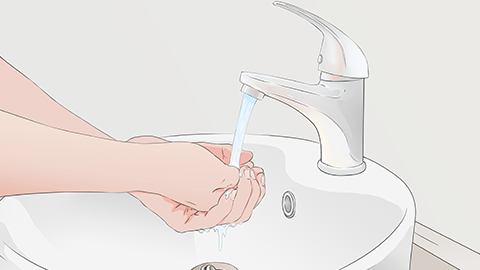
For mild cases, topical application of appropriate medicated ointments under a physician’s guidance is recommended. For more severe cases, a thin layer of thickened keratinized skin may first be gently removed using a sterile blade, followed by application of a topical ointment. Routine hand care is essential—opt for moisturizing protective creams with enhanced hydrating properties and minimize friction as much as possible.
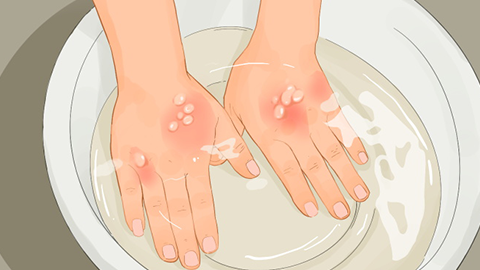
To prevent fissuring of the hands and feet, minimize direct contact with cold water in daily life. Cold-water exposure often suppresses sebum production, leading to dry, dehydrated skin. Therefore, make a habit of washing your hands with lukewarm water instead of cold water. Before bedtime, soak your hands in warm water for 15–20 minutes to enhance peripheral circulation and soften accumulated keratin. After soaking, apply hand cream and gently massage each finger joint. We hope this information proves helpful to you!


