


What Are the Symptoms of External Otitis Eczema?
May 12, 2022
Source: Cainiu Health

Dr. Liu Wan
Introduction
Eczema of the external auditory canal commonly occurs in infants after two months of age. It primarily affects the skin of the auricle, the postauricular groove, or the periauricular skin. The lesions may appear as small, discrete or clustered papules, vesicles, erosions, serous exudates, or yellowish crusts. Pruritus is typically prominent, causing the infant to repeatedly scratch the ears; in some cases, this may disturb sleep and reduce appetite.
External otitis eczema is a common dermatological condition, particularly prevalent in infants and young children. Its etiology and pathogenesis may involve allergic reactions, psychological factors, endocrine imbalances, and metabolic disorders; congenital atopy is considered the primary underlying cause. What are the symptoms of external otitis eczema?
What Are the Symptoms of External Otitis Eczema?
Eczema of the external auditory canal typically develops after an infant is two months old. It primarily affects the skin of the auricle, the postauricular groove, or the periauricular skin. Lesions may appear as small, discrete or clustered papules, vesicles, erosions, serous exudates, or yellow crusts. Intense pruritus is characteristic, prompting affected children to repeatedly scratch their ears—sometimes disrupting sleep and appetite. This condition frequently recurs, with fluctuating severity. Symptoms may worsen during teething.
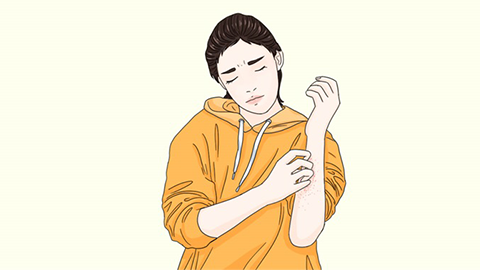
Acute eczema is intensely pruritic and often accompanied by a burning sensation. Yellowish crusting may be present. Secondary infection due to scratching can lead to lesion expansion, increased exudation, and even development of superficial ulcers. In contrast, chronic eczema is associated with persistent pruritus, thickening and roughening of the external ear skin, which may result in stenosis of the external auditory canal. Additional features include epidermal scaling, crusting, fissuring, hyperpigmentation, and, if the tympanic membrane is involved, mild conductive hearing loss and tinnitus.

To prevent recurrent episodes, appropriate management and lifestyle adjustments are essential. Patients should monitor symptom progression closely and pursue effective treatment. To avoid disease exacerbation, timely and appropriate interventions are crucial. We hope this information has been helpful!


