What should I do if I experience itching from shingles?
May 12, 2022
Source: Cainiu Health

Dr. Liu Wan
Introduction
Mild cases can be managed symptomatically with topical medications, such as calamine lotion, capsaicin cream, or compounded lidocaine cream—these are effective for relieving pruritus and other symptoms associated with herpes zoster. Localized infrared or ultraviolet physical therapy may also be applied to alleviate localized itching. For severe pruritus, oral antipruritic and analgesic agents—including gabapentin, pregabalin, doxepin, or amitriptyline—may be considered.
Herpes zoster (shingles) is a relatively common dermatological condition that primarily affects the skin of numerous patients, sometimes causing pruritus (itching). So, what should one do if shingles causes itching?
What to Do If Shingles Causes Itching
For mild cases, symptomatic topical treatment may be appropriate. Examples include calamine lotion, capsaicin cream, or compounded lidocaine cream. These agents can effectively alleviate itching and other symptoms associated with herpes zoster. Local infrared or ultraviolet physical therapy may also help reduce localized pruritus. In cases of severe itching, oral medications such as gabapentin, pregabalin, doxepin, or amitriptyline—used for neuropathic pain and pruritus—may be considered and are generally effective.
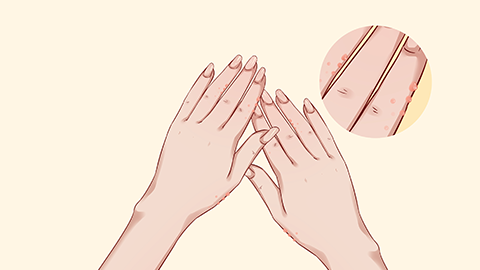
Herpes zoster is a common skin manifestation of varicella-zoster virus (VZV) infection, characterized primarily by cutaneous vesicles and prominent neuropathic pain. Pruritus is not typically a hallmark symptom of herpes zoster; however, some younger individuals with milder pain may experience itching. During the healing phase of herpes zoster lesions, localized skin repair may induce mild to moderate pruritus.
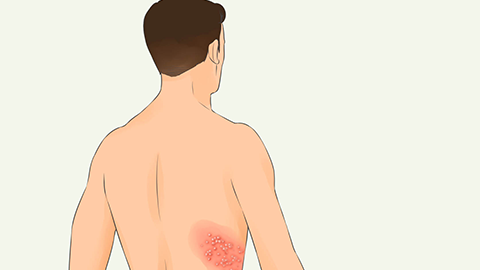
After developing herpes zoster, persistent itching may occur due to associated nerve damage incurred during the disease process. Due to individual variability, some patients may develop postherpetic neuralgia following nerve injury, while others may present with pruritus instead. Importantly, scratching the affected area must be avoided to prevent secondary infection. We hope this information is helpful. Wishing you good health and happiness!