


What is the most effective medication for treating cracked hands in winter?

Some patients dislike winter because cold weather can cause frostbite on the hands and face. In severe cases, this may significantly interfere with daily life and work, prompting many to seek pharmacological treatment. So, what is the most effective medication for treating cracked hands in winter?
What Is the Most Effective Medication for Cracked Hands in Winter?
Cracked hands in winter are commonly treated with snake fat ointment or urea ointment. Vitamin E ointment or glycerin may also be applied to certain affected areas. Additionally, tretinoin ointment or salicylic acid preparations may be used. If the cracking is caused by a fungal infection, topical antifungal medications are recommended.
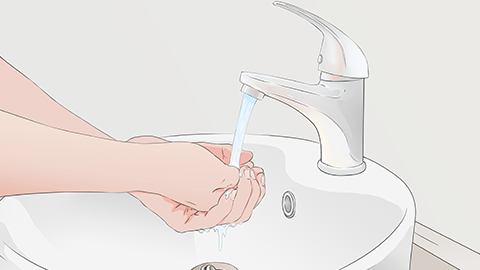
Cracking of the skin on the hands and feet during winter is a condition known as “cheilosis” (or more accurately, “hand-foot fissures”). This condition predominantly occurs in winter. Clinically, patients present with dry, fissured skin on the hands and feet, often accompanied by pain and even bleeding at the affected sites. The underlying cause is the cold, dry winter climate, which reduces sebaceous and sweat gland activity in the hands and feet. Consequently, the skin becomes dehydrated and desquamates, leading to dryness and fissuring—negatively impacting overall appearance.
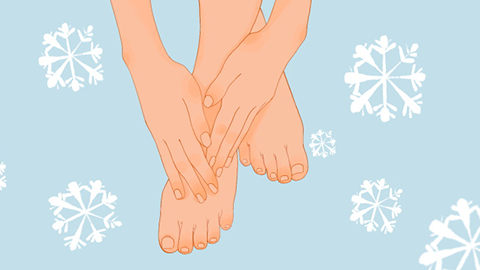
Patients experiencing cracked hands in winter should prioritize keeping warm and avoid contact with irritants. Wearing gloves outdoors helps minimize external irritation. Dietary adjustments are also important: opt for light, bland foods and avoid spicy or irritating items. Engaging in moderate outdoor physical activity can help boost immunity and resistance, thereby reducing the risk of illness. We hope this information proves helpful!


