


What Causes a Very Low Hemoglobin Level?
May 13, 2022
Source: Cainiu Health

Dr. Li Man
Introduction
Hemoglobin (also known as haemoglobin) levels may decrease for the following primary reasons:
1. **Hemodilution**: This can lead to a reduction in hemoglobin concentration and commonly occurs after large-volume intravenous fluid administration or excessive water intake, resulting in increased plasma volume and a relative decrease in hemoglobin concentration.
2. **Decreased red blood cell production**: This is frequently observed in conditions such as iron-deficiency anemia, aplastic anemia, myelofibrosis, and acute leukemia—all of which can cause reduced hemoglobin levels.
Many people may be unfamiliar with hemoglobin. In fact, hemoglobin—the protein in red blood cells commonly referred to as “blood pigment”—is primarily responsible for delivering oxygen to all body cells. So, what causes low hemoglobin levels?
What Causes Low Hemoglobin Levels?
Hemoglobin (often colloquially termed “hematin” in Chinese, though this is not a standard medical term) declines due to the following main reasons:
1. Blood dilution: This can lead to a relative decrease in hemoglobin concentration, commonly occurring after large-volume intravenous fluid administration or excessive water intake, which increases total blood volume.
2. Reduced red blood cell production: Common causes include iron-deficiency anemia, megaloblastic anemia, myelodysplastic syndromes (MDS), aplastic anemia, myelofibrosis, and acute leukemia—all of which can result in decreased hemoglobin levels.
3. Excessive red blood cell destruction (hemolysis): Conditions such as autoimmune hemolytic anemia, paroxysmal nocturnal hemoglobinuria (PNH), glucose-6-phosphate dehydrogenase (G6PD) deficiency (“favism”), and thalassemia can cause hemoglobin reduction.
4. Red blood cell loss: Chronic or acute blood loss—such as from menorrhagia (abnormally heavy menstrual bleeding), hemorrhoidal bleeding, or other sources—can also lower hemoglobin levels.
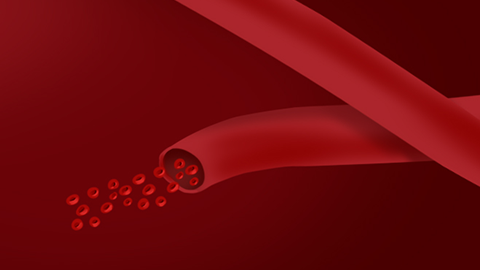
Normal hemoglobin reference ranges are 120–160 g/L for adult males and 110–150 g/L for adult females. Hemoglobin levels below these thresholds indicate anemia. Common causes of anemia include iron-deficiency anemia, megaloblastic anemia, chronic disease–associated anemia, leukemia, lymphoma, myelodysplastic syndromes, aplastic anemia, and solid tumors.
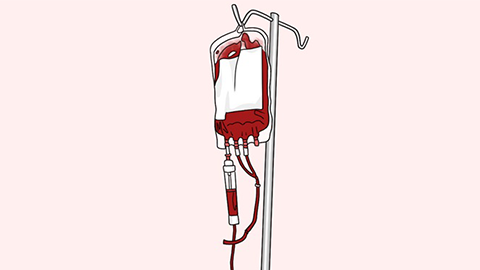
If anemia results from nutritional deficiencies—such as iron, folate, or vitamin B12 deficiency—it can often be rapidly corrected by supplementing the deficient hematopoietic nutrients. We hope this information has been helpful. Wishing you good health and happiness!


