


Distinguishing Hand Eczema from Tinea Manuum

Some individuals develop skin conditions in daily life, such as eczema and tinea manuum (hand fungus). Many people may not fully understand the differences between these two conditions—what distinguishes hand eczema from tinea manuum?
Differences Between Hand Eczema and Tinea Manuum
Tinea manuum and eczema share certain clinical similarities, often leading to misdiagnosis. Key differences include:
- Etiology: Tinea manuum is caused by fungal infection, whereas eczema is primarily triggered by allergic reactions or irritants.
- Site of onset: Tinea manuum typically begins unilaterally—often starting at a specific area of the palm, especially the central palm—whereas eczema usually affects both hands simultaneously.
- Disease course: Tinea manuum generally has a prolonged, slow progression; it may take several years before both hands become involved. In contrast, eczema tends to develop more rapidly, with fluctuating severity—improving and worsening intermittently—and frequently recurs.
- Seasonality: Tinea manuum exhibits seasonal variation, with higher incidence and greater severity during hot summer months. Hand eczema, however, shows no clear seasonal pattern.
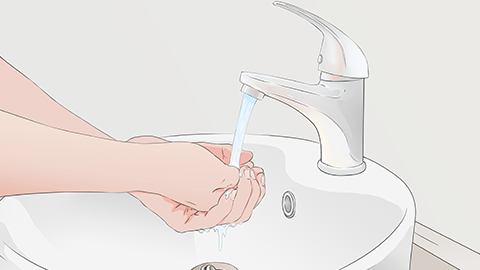
If both tinea manuum and eczema coexist on the hands, combination topical therapy is recommended. Since tinea manuum results from fungal infection while eczema stems from allergic or irritant triggers, a compounded topical preparation containing both an antifungal agent and a corticosteroid is often appropriate.
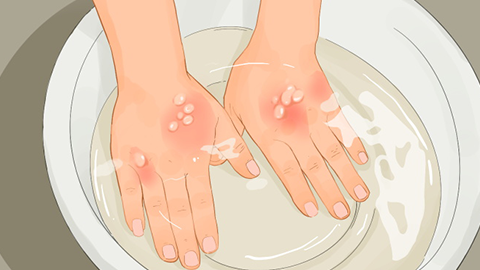
Applying such a compound formulation to the affected skin surface can simultaneously suppress local fungal metabolism and proliferation—thereby alleviating tinea symptoms—and control eczema manifestations, including erythema, papules, vesicles, bullae, and exudation. These lesions gradually subside, achieving effective therapeutic outcomes. We hope this information proves helpful to you!


