


How Much Does B-Mode Ultrasound Affect the Fetus?

The purpose of ultrasound examinations for some pregnant women is unclear. To determine fetal sex, many hospitals perform repeated ultrasound scans—unnecessarily exposing both mother and fetus to potential risks. So, how much impact does B-mode ultrasound have on the fetus?
How Much Impact Does B-Mode Ultrasound Have on the Fetus?
Whether ultrasound affects human tissue primarily depends on the ultrasound’s power output and duration of exposure. Higher acoustic energy and longer exposure times correlate with greater potential effects on the fetus. Currently, obstetric ultrasound equipment operates at output levels strictly maintained within established safety limits; thus, routine prenatal ultrasound poses no known risk to the fetus. As with most things, moderation is key—excessive exposure may be harmful, but appropriate, clinically indicated use poses no danger. Extensive domestic and international research and long-term follow-up studies have consistently failed to demonstrate any adverse effects of diagnostic ultrasound on fetal development. Therefore, routine prenatal ultrasound examinations are generally considered safe for the fetus.
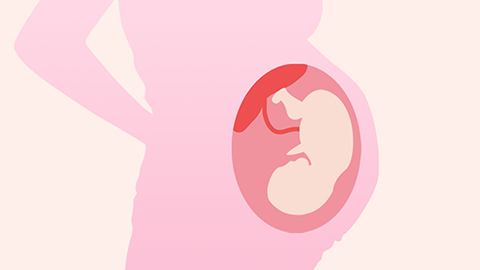
Nevertheless, as a precautionary measure, ultrasound examinations should be avoided during early pregnancy unless medically indicated. All ultrasound examinations should be performed only under physician guidance, with strict control over frequency and duration.

Ultrasound has no known adverse effects on the fetus. The imaging principle relies on reflected sound waves, which pose no harm to human tissue. Routine ultrasound examinations are sufficient; unnecessary scanning—especially during early pregnancy—should be avoided. Moreover, there is no need for excessive concern. In daily life, ensure adequate intake of folic acid and calcium, and consume plenty of vegetables and fruits. We hope this information proves helpful!


