


What should I do about small blisters on my fingers?

In daily life, the appearance of small blisters on the fingers is a common phenomenon. In severe cases, intense itching may occur, becoming unbearable. So, what should one do when small blisters appear on the fingers?
What to Do When Small Blisters Appear on the Fingers
Small blisters on the fingers can arise from various causes, and treatment must be tailored accordingly. Specific examples include:
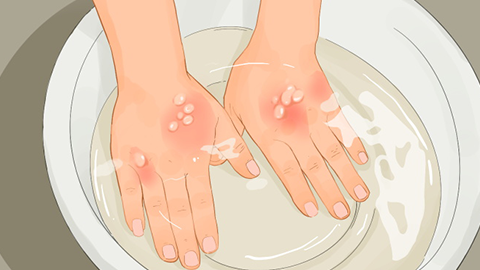
- Atopic dermatitis (eczema): Characterized by erythematous patches, vesicles, papules, and scaling. If vesicles predominate, initial management should involve wet compresses—using either boric acid solution or lactated rivanol (ethacridine lactate) solution. Once the vesicles have subsided and the lesions dried, topical corticosteroid or calcineurin inhibitor ointments may be applied.
- Tinea manuum (hand fungus): Caused by fungal infection, presenting with vesicles. Initial treatment also involves wet compresses with lactated rivanol solution. After the lesions have dried, topical antifungal agents (e.g., clotrimazole, terbinafine, or ketoconazole) should be applied.
- Contact dermatitis: Vesicles resulting from allergen exposure require immediate discontinuation of the offending substance. Concurrently, wet compresses (e.g., with lactated rivanol solution) should be applied to the affected area. Once the vesicles have dried, appropriate topical anti-inflammatory medications may be used.
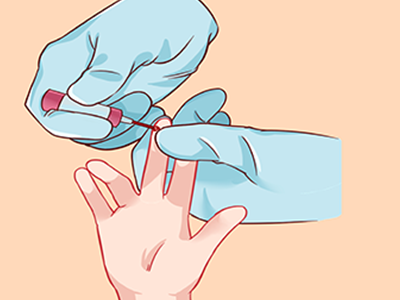
Dyshidrotic eczema (pompholyx) typically resolves spontaneously within several weeks. However, a minority of patients experience recurrent episodes year-round, potentially progressing to chronic eczema or secondary bacterial or fungal infections. Given its hallmark symptom—intense pruritus—the primary goals of treatment are to alleviate patient discomfort and minimize complications.
Therefore, prevention in daily life should focus on recognizing and avoiding relevant triggers. We hope this article has been helpful to you!


