


How to Remove a Flesh-Colored Lump on the Neck

Small skin growths on the neck are most commonly multiple soft fibromas—also known as skin tags—benign proliferations of connective tissue occurring on the neck.
How to Remove Skin Tags on the Neck
The simplest removal method is cryotherapy using liquid nitrogen (−196°C) administered at a hospital. The liquid nitrogen is sprayed onto each lesion for approximately 30 seconds. Individual responses vary, and patients may experience localized stinging or discomfort during treatment, which subsides shortly afterward. Within 2–3 days, the treated area undergoes physical necrosis and the tag naturally sloughs off. Some individuals opt for mechanical removal—for example, cutting with scissors—but this approach carries risks of infection and incomplete removal.
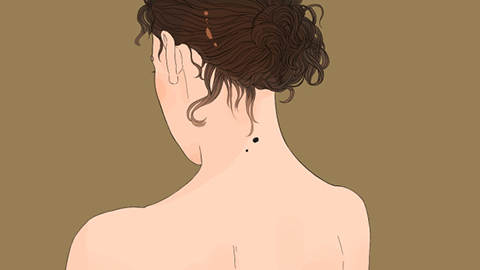
Typically, as people age and their skin undergoes natural aging changes—including loss of elasticity and increased laxity—chronic frictional irritation leads to gradual proliferation of loose connective tissue in the neck region. Under the influence of gravity, these proliferated tissues form small, pedunculated growths—i.e., soft fibromas. These are benign proliferative lesions and may be considered part of age-related cutaneous changes. They are generally harmless, causing only cosmetic concerns. In some cases, neck skin tags correlate with endocrine factors—for instance, many women experience a marked increase in number and size of soft fibromas during pregnancy, suggesting that hormonal fluctuations (e.g., sex hormones) can influence their development.

If you notice such symptoms, consult a healthcare provider promptly for proper evaluation and management.


