


What Is Uterine Cavity Separation?

Some women may experience uterine cavity separation, which is typically detectable via B-mode ultrasound. However, most patients are unfamiliar with the term “uterine cavity separation,” uncertain whether it poses any health risks, and unclear about its underlying meaning.
What Is Uterine Cavity Separation?
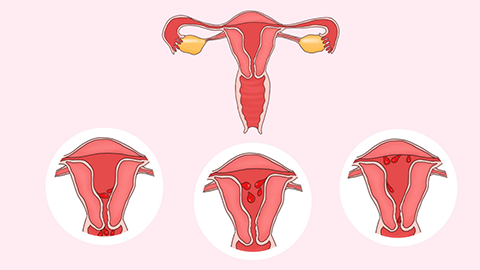
Uterine cavity separation generally indicates the presence of fluid, residual tissue, or space-occupying lesions within the uterine cavity. The first step is to determine the nature of the separation. Common causes include intrauterine fluid accumulation (hydrometra) and pelvic fluid accumulation (pelvic effusion), often resulting from endometritis or tubal adhesions/obstruction—treatment frequently involves dilation and curettage (D&C). Pelvic effusions are classified as either physiological or pathological. Physiological pelvic effusions commonly occur after ovulation and usually resolve spontaneously during early pregnancy. Pathological pelvic effusions, however, are frequently associated with pelvic inflammatory disease, ovarian cancer, or ruptured ectopic pregnancy, and require prompt medical intervention.

Treatment options for uterine cavity separation include taking blood-activating and stasis-resolving medications—such as Yimucao Granules—under a physician’s guidance. Xueshenghua Granules may also be prescribed to aid recovery; they effectively accelerate the expulsion of retained material from the uterine cavity. Therefore, if uterine cavity separation is diagnosed, it is advisable to select the most appropriate treatment based on the severity of one’s condition and to undergo regular pelvic color Doppler ultrasound examinations at a hospital.
In daily life, maintaining regular sleep and dietary habits is essential. Personal hygiene should be prioritized, particularly genital care—underwear should be changed and washed frequently. Engaging in regular physical activity can also help enhance immune function and overall resistance. We hope this information proves helpful to you!


