


What are the symptoms of typhoid fever?

Typhoid fever is a relatively common infectious disease; however, some patients are unaware of its specific symptoms and lack a thorough understanding of the condition. So, what are the symptoms of typhoid fever?
What Are the Symptoms of Typhoid Fever?
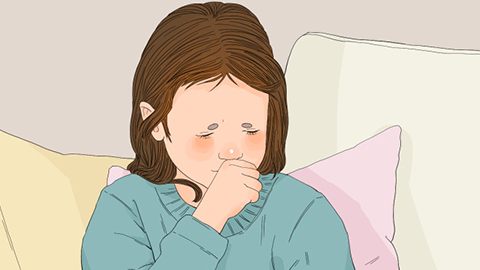
Symptoms of typhoid fever include high fever, headache, abdominal pain, diarrhea, leukopenia (low white blood cell count), myalgia (muscle pain), anorexia, weight loss, dry cough, and hepatosplenomegaly (enlargement of the liver and spleen). If left untreated, neurological manifestations may develop—including apathy, delayed responsiveness, and a characteristic “typhoid facies” (a dull, expressionless appearance). Severe cases may lead to life-threatening complications such as intestinal hemorrhage, intestinal perforation, toxic hepatitis, or toxic myocarditis.Typhoid fever is primarily caused by infection with Salmonella enterica serotype Typhi (commonly referred to as “typhoid bacillus”).
Infection occurs when the pathogen enters the body. Whether disease develops depends on three key factors: the number of ingested bacteria, their virulence, and the host’s immune defenses. Salmonella Typhi belongs to the genus Salmonella. Under normal circumstances, most ingested bacteria are killed by gastric acid upon entering the gastrointestinal tract via contaminated water or food. However, if gastric acidity is reduced (e.g., due to hypochlorhydria or use of antacids/proton-pump inhibitors), the bacteria can survive passage through the stomach, reach the small intestine, penetrate the intestinal mucosal epithelial barrier, invade gut-associated lymphoid tissue, and subsequently disseminate via lymphatic vessels and the bloodstream to multiple organs—potentially resulting in systemic disease. Individuals who have close contact with infected persons or reside long-term in endemic areas face a higher risk of contracting typhoid fever.

Management of typhoid fever includes general supportive care, antimicrobial therapy, and treatment of complications. The specific therapeutic approach must be individualized according to the patient’s clinical condition. We hope this information proves helpful!


