


What should be done for acute salpingitis?

Healthy fallopian tubes are essential for women to achieve optimal fertility outcomes. So, what should be done in the case of acute salpingitis?
Management of Acute Salpingitis
Patients with acute salpingitis may undergo pharmacological treatment, primarily with antibiotics. Although prolonged or repeated combination antibiotic therapy sometimes yields limited efficacy, it remains appropriate for young patients wishing to preserve fertility or for those experiencing acute exacerbations—ideally combined with anti-chlamydial agents. Traditional Chinese Medicine (TCM) treatment: Chronic salpingitis is commonly attributed to damp-heat patterns; thus, therapy focuses on clearing heat, resolving dampness, promoting blood circulation, and dispelling stasis. In some patients presenting with cold-congealed qi-stagnation patterns, treatment aims to warm the meridians, dispel cold, regulate qi flow, and invigorate blood circulation.

Typical symptoms of acute salpingitis include lower abdominal pain and increased vaginal discharge. Pain often worsens with physical activity or sexual intercourse. In severe cases, high fever and chills may occur. Fever: Mild cases typically present with temperatures not exceeding 38°C, whereas severe cases may reach over 39°C. Pain is usually paroxysmal, lasting several minutes to ten minutes, with varying degrees of intensity.
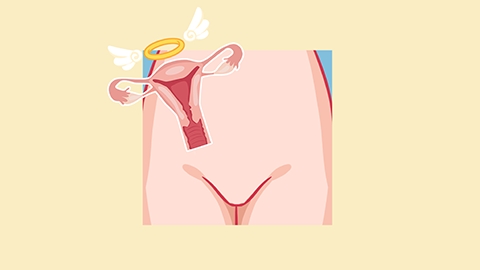
Compared with normal conditions, vaginal discharge may increase by up to 50%, appearing purulent and more viscous. Marked lower abdominal distension may be observed, and palpation may reveal an abdominal mass. Patients often experience pronounced cold intolerance, with little improvement even when wearing heavy clothing. Non-menstrual vaginal spotting or small clots may occur. Urinary frequency increases compared with baseline, accompanied by dysuria. We hope this information proves helpful!


