


What are the infectious diseases of the digestive tract?

In daily life, some individuals frequently develop gastrointestinal disorders. However, many people mistakenly believe that gastrointestinal disorders are contagious. So, which diseases affecting the gastrointestinal tract are actually infectious?
What Are Gastrointestinal Infectious Diseases?
Gastrointestinal infectious diseases are commonly caused by pathogenic microorganisms such as bacteria, viruses, and parasites. Transmission primarily occurs via the feces of infected individuals; infection may result from contact with contaminated water, food, or other sources. Clinically common viral intestinal infections include amoebic dysentery, bacterial dysentery, viral hepatitis, cholera, typhoid fever, paratyphoid fever, and Coxsackievirus infection. Intestinal parasitic diseases also fall within this category.
Patients and suspected cases must be isolated until they are no longer infectious. Close contacts should observe a quarantine period. All utensils, teacups, and personal items used by suspected patients must be kept separate and stored apart. In collective settings (e.g., dormitories, schools, or workplaces), suspected patients should be assigned individual rooms, dedicated toilets, and segregated meals. Food handlers and healthcare workers undergo annual routine health examinations. Upon diagnosis—or even suspicion—of infectious diseases such as hepatitis or dysentery, affected personnel must be immediately reassigned from their duties and may only resume work after full clinical recovery and clearance.
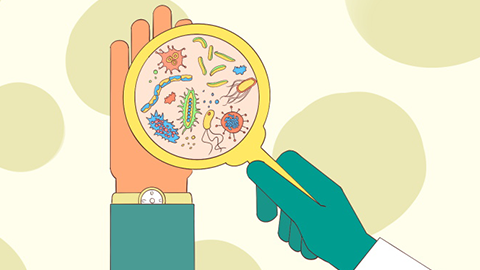
In everyday life, maintain good personal and food hygiene: wash hands thoroughly before meals and after using the toilet; thoroughly wash and scald raw vegetables and fruits. Avoid consuming unclean, spoiled, or otherwise unsafe foods. Implement rigorous control measures against flies, cockroaches, rodents, and other disease vectors. Strengthen management of water resources. Install sanitary toilets; patient feces must be disinfected prior to disposal into the toilet system, and contaminated clothing and toilet fixtures must also undergo disinfection. We hope this information is helpful to you!


