


Can consuming ginseng cause “internal heat”?

In daily life, ginseng serves not only as a medicinal herb but also as a popular health supplement. A common practice is steeping ginseng in alcohol to make ginseng wine. With advances in cultivation technology, most ginseng available today is cultivated rather than wild-harvested. Generally, the longer the ginseng grows—especially wild ginseng—the higher its value. But does consuming ginseng cause “internal heat” (a traditional Chinese medicine concept referring to symptoms such as sore throat, dry mouth, and nosebleeds)?
Can eating ginseng cause “internal heat”?
Excessive consumption of ginseng can indeed lead to “internal heat,” including symptoms like epistaxis (nosebleeds). However, the root cause of such reactions is often not ginseng itself, but rather its inappropriate or excessive use. Although ginseng is an excellent tonic, blind or excessive supplementation may produce adverse effects. As a potent herbal tonic, ginseng enhances immune function and replenishes vital energy (Qi) and blood. Overuse, however, may trigger “heat-related” symptoms—including facial flushing, dry mouth, and thirst. Therefore, ginseng should always be taken under the guidance of a qualified healthcare professional.

Fresh ginseng is best suited for making ginseng-infused wine, whereas dried ginseng is ideal for slow-cooking in soups or braising with chicken. Fresh ginseng contains abundant volatile oils; after thorough washing, it can be immersed in a sealed jar of alcohol for at least two weeks before consumption. Its rich nutritional profile makes it especially effective when prepared this way, as the active compounds are readily extracted into the alcohol—enhancing absorption and supporting overall health.
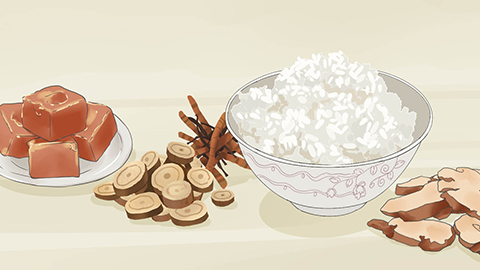
As a nourishing ingredient, ginseng is often simmered with chicken to prepare a restorative soup. However, it is important to note that ginseng is not suitable for everyone. We hope this information has been helpful!


