


What Are the Symptoms of a Right Ovarian Cyst?

In daily life, many women suffer from right ovarian cysts, a condition that poses health risks and warrants attention. So, what are the symptoms of a right ovarian cyst?
What Are the Symptoms of a Right Ovarian Cyst?
After a cyst develops in the right ovary, the most common symptom is a dull, persistent pain in the right lower abdomen, often accompanied by a sensation of bloating. Patients may also experience dyspareunia (pain during intercourse) and aching discomfort in the lumbosacral region. As the cyst enlarges, abdominal pain becomes increasingly pronounced and may disrupt hormonal balance, leading to menstrual irregularities. If the cyst ruptures or undergoes torsion of its pedicle, it may cause severe complications such as massive hemorrhage, intense abdominal pain, nausea, and even shock.
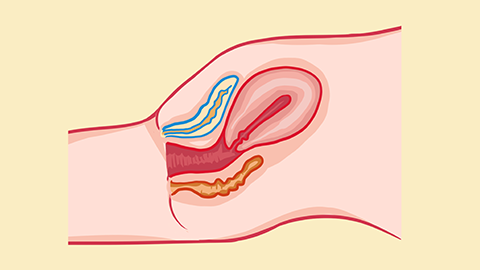
An ovarian cyst is a fluid-filled sac-like mass resulting from ovarian enlargement. Ovarian cysts can be classified as either physiological or pathological. Physiological cysts—often observed in the mid-to-late phase of the menstrual cycle—typically measure less than 5 cm in diameter and usually resolve spontaneously within approximately three months after menstruation. In contrast, true ovarian tumors represent genuine neoplasms; most ovarian cysts are benign. Histologically, they include serous cysts, mucinous cysts, dermoid cysts (mature cystic teratomas), and endometriomas (“chocolate cysts”).

Most ovarian cysts are asymptomatic; acute abdominal symptoms—such as sudden, severe abdominal pain—typically occur only when torsion or rupture of the cyst occurs. Therefore, to detect ovarian masses, pelvic examination should ideally be performed after menstruation. Because the ovaries lie deep within the pelvis, cysts may be difficult to identify without regular screening. We hope this information is helpful to you!


