


Excessive eye discharge (eye boogers) indicates internal heat—where is the heat located?

Babies are extremely important and deserve everyone’s attention. Caregivers should closely monitor any signs of discomfort in infants and take steps to prevent “internal heat” (a traditional Chinese medicine concept referring to excessive internal body heat). It is normal for babies to experience minor health issues, and family members naturally worry deeply about them. When necessary—especially when signs of “internal heat” appear—it is essential to seek medical evaluation at a hospital. This concern is particularly common among caregivers. So, what does excessive eye discharge (“eye boogers”) indicate in terms of “internal heat”?
Which organ system is associated with excessive eye discharge?
Excessive eye discharge is often attributed to an overabundance of “liver fire” in Traditional Chinese Medicine (TCM). The liver corresponds to the “Wood” element within the Five-Element theory. When liver fire becomes excessive, it may manifest as increased eye discharge, irritability, dry mouth, and bitter taste. These symptoms are collectively interpreted as indications of hyperactive liver fire. Treatment may include herbs or formulas that clear heat and drain fire, which can also help alleviate associated symptoms such as gum inflammation.

Persistent or excessive eye discharge may also signal underlying ocular conditions. For instance, thick, white, stringy discharge suggests possible dry eye syndrome or acute allergic conjunctivitis. Yellowish, viscous discharge accompanied by conjunctival injection (redness) and preauricular lymphadenopathy (swelling of lymph nodes near the ears) may indicate trachoma. To help prevent “internal heat,” adopt healthy lifestyle habits: drink plenty of water, maintain regular bowel movements, and avoid spicy or stimulating foods.
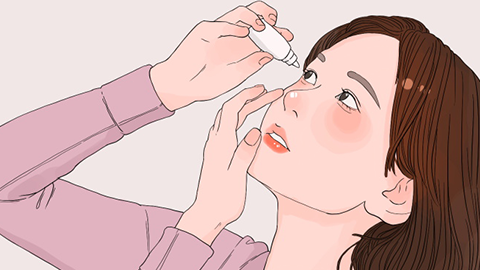
If an eye condition is present, prompt and appropriate treatment is crucial to prevent complications or disease progression. In daily life, prioritize good ocular hygiene: avoid prolonged screen time (e.g., smartphones or television), and minimize eye strain and fatigue. We hope this information is helpful! Wishing you good health and happiness!


