


What are the signs of peritoneal irritation?

Peritoneal irritation signs are clinical manifestations indicating pathology of intra-abdominal organs. They primarily include abdominal tenderness and rebound tenderness. In severe cases, patients may experience excruciating abdominal pain and profound generalized weakness. What are the manifestations of peritoneal irritation signs?
What Are the Manifestations of Peritoneal Irritation Signs?
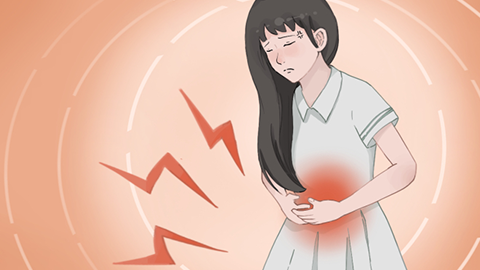
Peritoneal irritation signs are the hallmark physical findings following rupture or perforation of intra-abdominal organs. They typically present as a classic triad: abdominal tenderness, rebound tenderness, and abdominal muscle rigidity (guarding). Patients commonly exhibit severe, intolerable abdominal pain, profuse diaphoresis, marked generalized weakness and fatigue. Due to intense pain and abdominal wall rigidity, patients often adopt a flexed posture—bending forward and drawing in the abdomen. Abdominal palpation is typically met with marked resistance or refusal to be touched. Breathing may become predominantly thoracic (shallow and rapid), and nausea and vomiting frequently occur. In cases complicated by infection, fever may also be present. These signs commonly arise from conditions such as intra-abdominal infection, peritoneal perforation, biliary obstruction, or intra-abdominal hemorrhage. Immediate medical evaluation is essential, and comprehensive management—including antimicrobial therapy and surgical intervention—must be directed at the underlying cause. Delay in diagnosis and treatment significantly increases mortality risk.
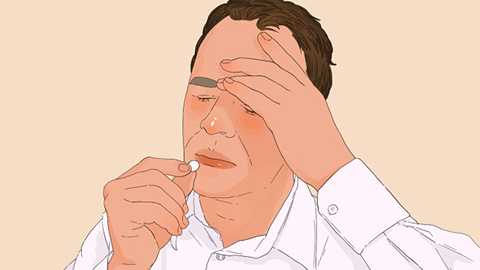
If peritoneal irritation signs are present, prompt surgical intervention is generally recommended, as their appearance signals disease progression in the underlying condition—most of which require surgical management. However, surgical candidacy must be carefully assessed based on the patient’s overall clinical status, hemodynamic stability, and the nature of the primary disease. Surgery should not be performed if the associated risks are excessively high and life-threatening.
In certain cases—such as select infectious or inflammatory conditions—peritoneal irritation signs may be managed initially with close observation and medical therapy to assess treatment response. If clinical improvement occurs with conservative management, surgery may be avoided. Nevertheless, when peritoneal irritation signs are evident, surgical intervention remains the preferred and most appropriate therapeutic approach. We hope this information has been helpful to you!


