


How to Manage Cold Pain in the Lower Abdomen

Most women experience a constitutionally cold body (a traditional Chinese medicine concept), and thus often suffer from coldness and dull pain in the lower abdomen. How should lower abdominal cold pain be managed?
Management of Lower Abdominal Cold Pain
Common approaches to managing lower abdominal cold pain include applying heat (e.g., warm compresses) or performing gentle abdominal massage, both of which can help alleviate symptoms. If the condition stems from “uterine coldness” (gong han) or general constitutional coldness, herbal formulas such as Aifu Nuangong Wan (Moxa and Cyperus Warming-Uterus Pills) or Shenqi Keli (Ginseng and Astragalus Granules) may be used. If caused by gynecological inflammation, anti-inflammatory medications should be taken under a physician’s guidance. Lower abdominal cold pain may also result from acute appendicitis—in such cases, treating the underlying disease is essential, and the abdominal discomfort will subsequently improve.
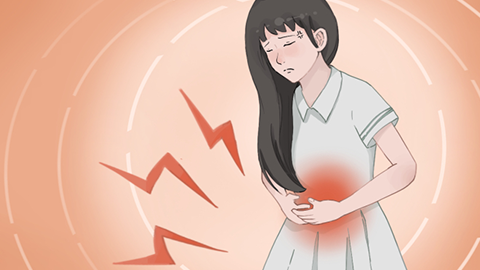
Lower abdominal cold pain refers to a sensation of coldness in the lower abdomen accompanied by a vague, dull ache. It may arise from uterine coldness, inadequate warmth protection in daily life, gynecological inflammation, or acute appendicitis. Treatment must therefore be tailored to the specific underlying cause.
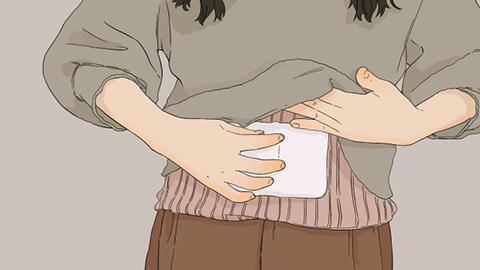
Patients should take care to keep the abdomen warm in daily life—avoid wearing crop tops or exposing the midriff. Dietarily, avoid cold, raw, or cooling foods; instead, consume warming soups such as millet porridge or ginger tea, both of which help warm the abdomen. Regular physical exercise is also recommended to strengthen overall constitution. We hope this information proves helpful to you!


