


Can eating too many blood oranges cause “internal heat” (a traditional Chinese medicine concept)?

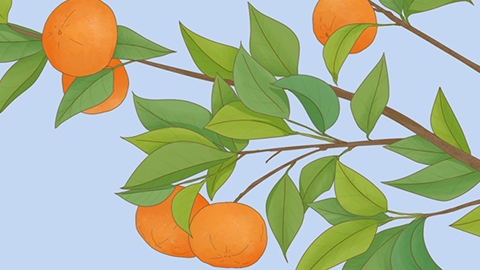
Blood oranges are evergreen trees belonging to the Rutaceae family. They feature thick, smooth branches, few thorns on their leaves, and predominantly oval-shaped, glossy green foliage. The fruit ripens annually from October to December. So, can eating too many blood oranges cause “internal heat” (a traditional Chinese medicine concept referring to symptoms such as sore throat, acne, or irritability)?
Can eating too many blood oranges cause “internal heat”?
In fact, blood oranges are highly nutritious fruits; consuming them in moderation does not trigger “internal heat.” On the contrary, they may help alleviate symptoms associated with internal heat—such as common colds and coughing—and improve blood circulation, thereby relieving anemia. Their nutritional value is exceptionally high. Compared with other orange varieties, blood oranges are less likely to induce “heatiness,” but overconsumption should still be avoided. It is advisable to eat them in moderation—not excessively. Moreover, blood oranges can be enjoyed in numerous ways—for example, as jam or juice.
Furthermore, blood oranges boast outstanding nutritional benefits. For instance, they promote systemic blood circulation and effectively alleviate anemia-related symptoms, exerting a warming, nourishing, and blood-enriching effect—helping to relieve cold hands and feet. Additionally, the nutrients they contain support skin cell regeneration, contributing to smoother, finer skin and offering protective benefits. They also possess beautifying and skin-enhancing properties, accompanied by a fresh, pleasant aroma. When you feel down or low-spirited, consuming blood oranges may help sharpen mental clarity and uplift your mood and emotional well-being.
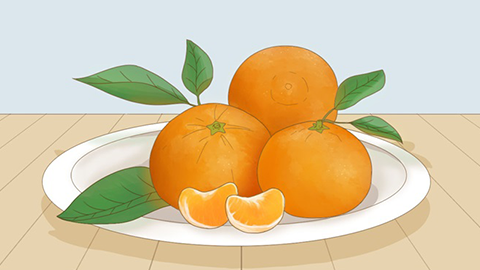
Moreover, blood oranges have a subtle rose-like fragrance that can stimulate appetite. We hope this response has been helpful!


