


Does drinking fresh milk cause “heatiness”?

Fresh milk is sweet in flavor and neutral to slightly cool in nature. It nourishes the body, strengthens the lungs and stomach, promotes overall health, and moistens the intestines. It may also be used therapeutically for conditions such as general weakness and fatigue, nausea, hiccups, thirst, and constipation. Fresh milk contains approximately 70% water, and its proteins and fats are readily digested and absorbed by the human body. Due to its high water content, milk effectively replenishes bodily fluids and exerts functions including moistening the lungs, lubricating the intestines, promoting bowel movements, and clearing internal heat. So, does drinking fresh milk cause “heatiness” (a traditional Chinese medicine concept referring to excessive internal heat)?
Does drinking fresh milk cause “heatiness”?
Yes, it is quite possible. The primary reason fresh milk may induce “heatiness” lies in its high protein and fat content—specifically large-molecule casein proteins and saturated fatty acids. If one consumes milk without adequate water intake, these nutrients become difficult to digest. Therefore, cultivating the habit of drinking sufficient water daily is highly recommended.
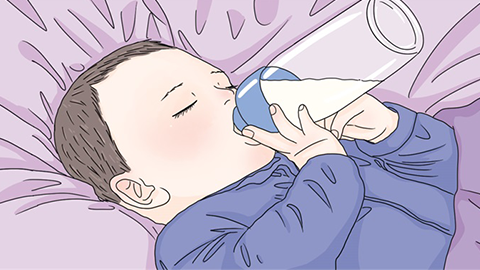
Generally speaking, drinking milk does not cause “heatiness.” According to Traditional Chinese Medicine (TCM), milk is sweet and neutral in flavor, with a slightly cold nature; it nourishes yin, clears heat toxins, moistens the intestines, facilitates bowel movements, and tonifies deficiency—thus it does not provoke “heatiness.” However, whether milk induces “heatiness” may depend on individual constitution. For adults with compromised immunity or infants and young children with poor gastrointestinal function, the proteins and saturated fatty acids in milk may be poorly digested and absorbed, potentially leading to constipation. Conversely, milk’s abundant water content, minerals, and amino acids help replenish essential hydration and nutrients, making it convenient and beneficial for daily consumption. If “heatiness” occurs after drinking milk, increasing intake of warm boiled water, vegetable juice, fruit juice, or honey water can effectively alleviate symptoms.

Be sure to avoid consuming spoiled milk. Maintain a varied diet to ensure balanced nutrition. We hope this article has been helpful to you!


